Guide
Can Type 2 Diabetes Be Cured Permanently? A Comprehensive Guide
Explore the possibility of curing type 2 diabetes permanently. Learn about remission, lifestyle changes, and effective management strategies.

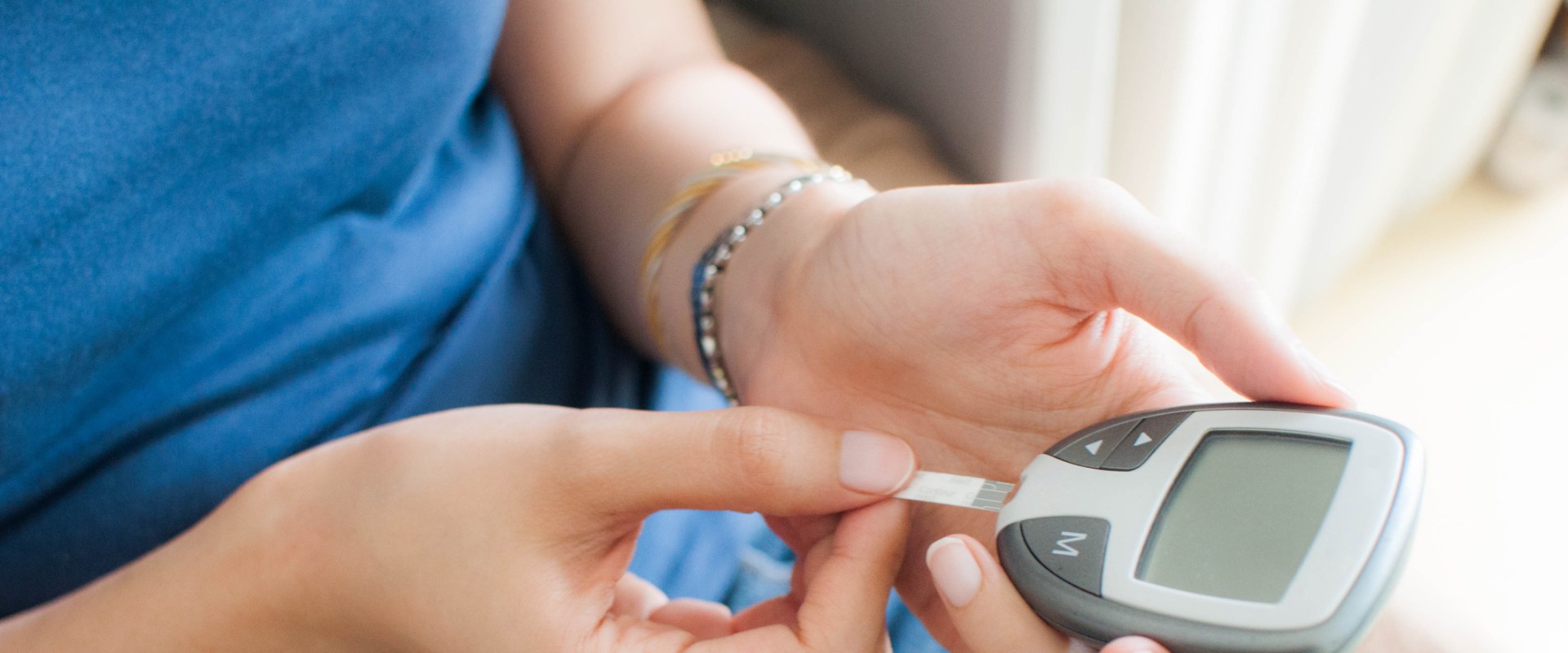
Type 2 diabetes is a chronic condition that affects the way your body metabolizes sugar (glucose), which is a vital source of energy for your cells. If you're wondering how fast type 2 diabetes can develop, it's important to note that unlike type 1 diabetes, where the body fails to produce insulin, type 2 diabetes occurs when the body becomes resistant to insulin or when the pancreas fails to produce enough insulin. This results in elevated blood sugar levels, which can lead to serious health complications if left unmanaged. So, how fast can type 2 diabetes develop? Understanding this condition is essential for anyone looking to explore potential management strategies or discuss the possibility of remission. The causes of type 2 diabetes are multifaceted and often interlinked. Genetic predisposition plays a significant role; individuals with a family history of diabetes are at a higher risk. However, lifestyle factors such as poor diet, physical inactivity, and obesity are also critical contributors. Type 2 diabetes is a chronic condition that affects the way your body metabolizes sugar (glucose), which is a vital source of energy for your cells. If you're wondering how fast type 2 diabetes can develop, it's important to note that unlike type 1 diabetes, where the body fails to produce insulin, type 2 diabetes occurs when the body becomes resistant to insulin or when the pancreas fails to produce enough insulin. This results in elevated blood sugar levels, which can lead to serious health complications if left unmanaged. So, how fast can type 2 diabetes develop? Understanding this condition is essential for anyone looking to explore potential management strategies or discuss the possibility of remission. The causes of type 2 diabetes are multifaceted and often interlinked. Genetic predisposition plays a significant role; individuals with a family history of diabetes are at a higher risk. However, lifestyle factors such as poor diet, physical inactivity, and obesity are also critical contributors.
In particular, excess body fat, especially around the abdomen, can increase insulin resistance. Other factors include age, hormonal changes, and certain medical conditions that may exacerbate insulin resistance. Recognizing the symptoms of type 2 diabetes is crucial for early diagnosis and intervention. Common symptoms include increased thirst, frequent urination, extreme fatigue, blurred vision, and slow-healing sores or frequent infections. Some individuals may experience no symptoms at all in the early stages, making regular check-ups essential for those at risk.
If you notice any of these signs or have risk factors associated with type 2 diabetes, it’s important to consult a healthcare professional for further evaluation.
The Concept of Remission in Type 2 Diabetes
Understanding the concept of remission in the context of type 2 diabetes is crucial for patients and their families. Remission refers to a state where the symptoms of diabetes are significantly reduced or absent, but the underlying condition is still present. This distinction is vital because it shapes how individuals manage their health and expectations regarding treatment outcomes. In contrast to a cure, which implies that the disease has been completely eradicated, remission indicates that while blood sugar levels may be normal, the potential for diabetes to return remains. This can occur due to various factors, including lifestyle changes, weight loss, and adherence to a healthy diet.For many individuals, achieving remission can feel like a significant victory, but it is essential to recognize that ongoing management is still necessary. Research has shown that some individuals with type 2 diabetes can achieve remission through substantial weight loss and lifestyle modifications. For instance, studies indicate that losing as little as 5-10% of body weight can lead to improved insulin sensitivity and better blood glucose control. This improvement can result in a reduction or complete cessation of diabetes medications for some patients. However, the journey to remission is not uniform for everyone. Factors such as age, duration of diabetes, and overall health play a significant role in determining whether an individual can achieve remission.
Additionally, maintaining remission requires ongoing commitment to healthy habits. Regular physical activity, balanced nutrition, and routine medical check-ups are essential components of sustaining this state. It is also important for patients to understand that remission does not equate to freedom from diabetes. Regular monitoring of blood glucose levels remains critical, as fluctuations can occur even after achieving remission. Patients should work closely with their healthcare providers to develop a personalized plan that includes regular assessments and adjustments as needed. In summary, while type 2 diabetes cannot be cured in the traditional sense, remission offers hope for many individuals.
By adopting healthier lifestyles and remaining vigilant about their health, patients can experience significant improvements in their condition. Understanding the nuances of remission empowers individuals to take charge of their health journey and fosters realistic expectations about living with type 2 diabetes.
Factors Influencing Remission
Achieving remission from type 2 diabetes is influenced by a variety of factors, each playing a crucial role in how effectively individuals can manage their condition. Understanding these factors can empower those affected to take actionable steps towards improving their health.Weight Loss
One of the most significant factors influencing diabetes remission is weight loss. Research indicates that losing even a modest amount of weight—around 5-10% of total body weight—can lead to substantial improvements in blood sugar control.This is particularly true for individuals who are overweight or obese, as excess body fat, especially around the abdomen, can contribute to insulin resistance. Weight loss helps to reduce the amount of fat in the liver and pancreas, which can enhance insulin sensitivity and improve the body’s ability to regulate blood sugar levels. Many success stories highlight that individuals who have lost weight through dietary changes and increased physical activity have experienced significant improvements in their diabetes management.
Lifestyle Changes
In addition to weight loss, making comprehensive lifestyle changes is essential for achieving remission. These changes include:- Dietary Modifications: Adopting a balanced diet rich in whole foods, such as fruits, vegetables, whole grains, lean proteins, and healthy fats, can help stabilize blood sugar levels. Reducing intake of processed foods and sugars is also critical.
-
Regular Physical Activity: Engaging in regular exercise not only aids in weight loss but also improves insulin sensitivity.
Aim for at least 150 minutes of moderate-intensity aerobic activity each week, combined with strength training exercises.
- Stress Management: Chronic stress can negatively impact blood sugar levels. Incorporating stress-reducing techniques such as mindfulness, yoga, or meditation can be beneficial.
- Sufficient Sleep: Quality sleep is vital for overall health and can influence insulin sensitivity. Aim for 7-9 hours of restorative sleep each night.
Monitoring and Support
Regular monitoring of blood glucose levels is essential for understanding how lifestyle changes affect diabetes management. Additionally, seeking support from healthcare professionals, such as dietitians or diabetes educators, can provide personalized guidance and motivation. In conclusion, while there is no definitive cure for type 2 diabetes, various factors—including weight loss and lifestyle modifications—can significantly influence the likelihood of achieving remission.By focusing on these areas, individuals can take proactive steps towards better health and improved management of their condition.
Dietary Approaches to Managing Type 2 Diabetes
Managing type 2 diabetes effectively often hinges on dietary choices. A well-structured diet can not only help control blood sugar levels but may also lead to significant improvements in overall health. Here are some dietary strategies that can be beneficial for individuals with type 2 diabetes.Recommended Foods for Type 2 Diabetes
- Non-Starchy Vegetables: Incorporate a variety of non-starchy vegetables such as spinach, broccoli, and bell peppers. These foods are low in calories and carbohydrates, making them ideal for blood sugar management.
-
Whole Grains: Opt for whole grains like quinoa, brown rice, and whole wheat bread instead of refined grains.
Whole grains have a lower glycemic index and provide essential nutrients and fiber.
- Lean Proteins: Include sources of lean protein such as chicken, turkey, fish, tofu, and legumes. Protein helps to stabilize blood sugar levels and keeps you feeling full longer.
- Healthy Fats: Incorporate healthy fats from sources like avocados, nuts, seeds, and olive oil. These fats can improve heart health and provide satiety without causing spikes in blood sugar.
- Low-Fat Dairy: Choose low-fat or fat-free dairy options like yogurt and milk. These can provide calcium and vitamin D while being lower in saturated fat.
Meal Planning Tips
Effective meal planning is crucial for managing type 2 diabetes.Here are some tips to consider:
- Portion Control: Be mindful of portion sizes to avoid overeating. Using smaller plates can help control portions naturally.
- Balanced Meals: Aim for a balance of carbohydrates, proteins, and fats in each meal. This balance helps maintain stable blood sugar levels throughout the day.
- Regular Meal Times: Eating at consistent times can help regulate blood sugar levels. Try to have meals and snacks at the same times each day.
-
Limit Processed Foods: Reduce the intake of processed foods high in sugars and unhealthy fats.
Instead, focus on whole foods that nourish your body.
The Role of Physical Activity in Diabetes Management
Regular physical activity plays a crucial role in managing type 2 diabetes and can significantly contribute to achieving remission. Engaging in exercise not only helps control blood sugar levels but also enhances overall health, making it an essential component of diabetes management.Benefits of Exercise for Diabetes Management
-
Improved Insulin Sensitivity: Physical activity increases the body’s sensitivity to insulin, allowing cells to utilize glucose more effectively.
This can lead to lower blood sugar levels and reduced reliance on medication.
- Weight Management: Regular exercise aids in weight loss or maintenance, which is vital for individuals with type 2 diabetes. Even modest weight loss can improve blood sugar control.
- Cardiovascular Health: People with diabetes are at a higher risk for heart disease. Exercise strengthens the heart and improves circulation, reducing this risk.
- Mood Enhancement: Physical activity releases endorphins, which can help alleviate stress and anxiety, common issues for those managing a chronic condition like diabetes.
- Enhanced Energy Levels: Regular exercise can boost energy levels and improve overall quality of life, making daily activities easier to manage.
Types of Recommended Exercises
A well-rounded exercise program for individuals with type 2 diabetes should include a mix of aerobic, strength training, and flexibility exercises:
- Aerobic Exercises: Activities such as walking, cycling, swimming, or dancing are excellent for improving cardiovascular health. Aim for at least 150 minutes of moderate-intensity aerobic activity each week.
-
Strength Training: Incorporating resistance exercises at least twice a week helps build muscle mass, which can enhance metabolism and improve insulin sensitivity.
This can include weight lifting or bodyweight exercises like squats and push-ups.
- Flexibility and Balance Exercises: Stretching and balance activities such as yoga or tai chi can improve flexibility and reduce the risk of falls, especially in older adults.
Incorporating Exercise into Daily Life
Making physical activity a regular part of your routine doesn’t have to be daunting. Here are some practical tips to help you get started:
- Set Realistic Goals: Start with small, achievable goals and gradually increase the intensity and duration of your workouts.
- Create a Schedule: Designate specific times for exercise in your weekly calendar to ensure consistency.
- Find Activities You Enjoy: Choose exercises that you find enjoyable to make it easier to stick with your routine.
- Involve Friends or Family: Exercising with others can provide motivation and make workouts more enjoyable.
- Track Your Progress: Keep a journal or use fitness apps to monitor your activity levels and celebrate your achievements.
Medical Interventions: Medications and Surgery
Managing type 2 diabetes often requires a multifaceted approach, incorporating both lifestyle changes and medical interventions. This section delves into the various medications and surgical options available to help individuals control their blood sugar levels effectively.Medications for Type 2 Diabetes
There are several classes of medications designed to assist in managing type 2 diabetes.Each class works differently to lower blood sugar levels:
- Metformin: This is typically the first-line medication prescribed for type 2 diabetes. It helps improve insulin sensitivity and reduces glucose production in the liver.
- Sulfonylureas: These medications stimulate the pancreas to produce more insulin. Common examples include glipizide and glyburide.
- GLP-1 receptor agonists: These injectable drugs, such as liraglutide and semaglutide, enhance insulin secretion in response to meals and slow gastric emptying, which can lead to weight loss.
- SGLT2 inhibitors: Medications like canagliflozin and empagliflozin work by preventing the kidneys from reabsorbing glucose back into the bloodstream, promoting its excretion through urine.
- Insulin therapy: In some cases, individuals may require insulin injections to manage their blood sugar levels effectively, especially if other medications are insufficient.
Bariatric Surgery and Diabetes
Bariatric surgery has emerged as a significant option for individuals with type 2 diabetes, particularly those who are obese. Research indicates that this surgical intervention can lead to substantial weight loss and, in many cases, remission of diabetes symptoms.The most common types of bariatric surgery include:
- Gastric bypass: This procedure alters the digestive system to limit food intake and nutrient absorption, leading to weight loss.
- Gastric sleeve: In this surgery, a portion of the stomach is removed, resulting in a smaller stomach that holds less food.
Success Stories: Real-Life Examples of Remission
Many individuals diagnosed with type 2 diabetes have embarked on transformative journeys, leading to inspiring success stories of remission.These narratives not only highlight the potential for reversing diabetes but also provide practical insights into effective management strategies. One notable example is that of Sarah Thompson , a 45-year-old mother of two. After being diagnosed with type 2 diabetes, Sarah felt overwhelmed and fearful of the complications associated with the disease. Determined to take control of her health, she adopted a whole-food, plant-based diet, focusing on low-glycemic foods. Within six months, Sarah lost 50 pounds and saw her blood sugar levels stabilize.
Today, she proudly shares her story, emphasizing the importance of meal planning and regular exercise in her daily routine. Another inspiring case is James Rodriguez , a 52-year-old who struggled with obesity and high blood pressure alongside his diabetes diagnosis. After attending a diabetes education program, James learned about the impact of physical activity on blood sugar control. He began incorporating daily walks and strength training into his life. Over the course of a year, he lost 70 pounds and was able to reduce his medication dosage significantly.
James often speaks at local health fairs, encouraging others to embrace an active lifestyle.
Linda Chen
, a retired nurse, also experienced a remarkable turnaround. After years of managing her diabetes with medication, she decided to try intermittent fasting combined with a ketogenic diet. This approach not only helped her shed excess weight but also led to improved insulin sensitivity. Linda's success story serves as a testament to the power of dietary changes and self-advocacy in managing type 2 diabetes.
These success stories illustrate that while there may not be a definitive cure for type 2 diabetes, remission is achievable through lifestyle modifications.
Individuals like Sarah, James, and Linda inspire hope and demonstrate that with dedication and the right strategies, it is possible to reclaim health and well-being. For those seeking motivation in their own journeys, these testimonials serve as powerful reminders that change is possible. Engaging with supportive communities, whether online or in-person, can also provide encouragement and accountability as one navigates the path toward remission.
Challenges in Achieving Remission
Achieving remission from type 2 diabetes is a goal for many individuals, yet it is often fraught with challenges that can impede progress. Understanding these barriers is crucial for anyone looking to manage their condition effectively.Psychological Factors
The psychological aspect of managing type 2 diabetes cannot be overstated. Many individuals experience feelings of frustration, anxiety, or depression related to their diagnosis.These emotions can lead to a cycle of poor self-management, where stress and negative feelings result in unhealthy eating habits or neglecting exercise routines. Cognitive behavioral therapy (CBT) has shown promise in helping individuals develop healthier coping mechanisms and improve adherence to treatment plans.
Social Influences
Social factors also play a significant role in the management of type 2 diabetes. Support systems, such as family and friends, can either facilitate or hinder progress. For instance, if loved ones do not understand the dietary restrictions or lifestyle changes required, they may inadvertently encourage unhealthy behaviors.Additionally, social gatherings often revolve around food, which can make it challenging for individuals to stick to their dietary goals.
Barriers to Lifestyle Changes
Making lifestyle changes is essential for achieving remission, but various barriers can complicate this process:- Lack of Knowledge: Many individuals may not fully understand how their diet and physical activity impact their blood sugar levels. Educational resources and support from healthcare providers are vital in bridging this knowledge gap.
- Time Constraints: Busy schedules can make it difficult to prioritize meal planning and exercise. Finding quick, healthy recipes and incorporating physical activity into daily routines can help overcome this barrier.
- Financial Limitations: Healthy foods and gym memberships can be expensive. Exploring community resources, such as local farmers' markets or free exercise programs, can provide affordable alternatives.
By recognizing these barriers and seeking appropriate support, individuals can enhance their chances of successfully managing their condition.
The Importance of Ongoing Monitoring and Support
Managing type 2 diabetes effectively requires more than just initial treatment; it necessitates ongoing monitoring and support from a dedicated healthcare team. Regular check-ups and consistent communication with healthcare professionals are crucial for maintaining optimal health and preventing complications associated with the disease.Monitoring Type 2 Diabetes
Regular monitoring of blood glucose levels is essential for individuals with type 2 diabetes. This helps in understanding how different foods, activities, and medications affect blood sugar levels. Patients should aim to:
- Check their blood glucose levels as recommended by their healthcare provider.
- Keep a log of their readings to identify patterns and make informed decisions about their diet and activity levels.
- Understand the target ranges for their blood sugar levels, which can vary based on individual health conditions.
This test provides an average of blood sugar levels over the past two to three months, helping to evaluate long-term management strategies.
The Role of Healthcare Providers
A comprehensive care plan for type 2 diabetes involves a multidisciplinary team of healthcare professionals. Each member plays a vital role in supporting the patient:
- Primary Care Physician: They oversee the overall management of diabetes, adjusting medications as necessary and coordinating care among specialists.
- Endocrinologist: These specialists focus on hormonal issues, including insulin management, and can provide advanced treatment options.
- Diabetes Educator: They offer education on self-management techniques, including dietary advice, exercise plans, and how to use monitoring devices effectively.
- Nutritionist: A registered dietitian can help create personalized meal plans that align with the patient’s health goals and preferences.
- Podiatrist: Regular foot examinations are crucial since diabetes can lead to complications such as neuropathy and poor circulation.
- Ophthalmologist: Eye exams are essential for detecting diabetic retinopathy early, which can prevent vision loss.
The Importance of Support Systems
A strong support system is equally important in managing type 2 diabetes. Family members, friends, and support groups can provide emotional encouragement and practical assistance. Engaging with others who understand the challenges of living with diabetes can foster motivation and accountability.
Additionally, online forums and local community resources can offer valuable information and shared experiences that enhance coping strategies. In conclusion, ongoing monitoring and a robust support network are integral components in the management of type 2 diabetes. By collaborating with a diverse healthcare team and leveraging personal support systems, individuals can achieve better health outcomes and improve their quality of life.
Conclusion: Navigating Your Journey with Type 2 Diabetes
In summary, while type 2 diabetes is a chronic condition that currently lacks a definitive cure, it is essential to recognize that effective management strategies can lead to substantial improvements in both health and overall quality of life. Throughout this guide, we have explored various aspects of type 2 diabetes, including its causes, symptoms, and the potential for remission through lifestyle changes. One of the most critical takeaways is that individuals diagnosed with type 2 diabetes have the power to influence their health outcomes significantly. By adopting a balanced diet rich in whole foods, engaging in regular physical activity, and maintaining a healthy weight, many people have successfully achieved remission or significantly improved their blood sugar levels.These lifestyle modifications not only help manage blood glucose but also reduce the risk of complications associated with diabetes. Moreover, it is vital to understand that remission does not equate to a cure. Regular monitoring and ongoing communication with healthcare providers remain crucial for managing type 2 diabetes. This includes routine check-ups to assess blood sugar levels and screen for potential complications such as cardiovascular issues or neuropathy. Additionally, support systems play a pivotal role in navigating the challenges of living with type 2 diabetes. Whether through family, friends, or support groups, having a network can provide encouragement and motivation.
Sharing experiences and strategies can empower individuals to stay committed to their health goals. In conclusion, while the journey with type 2 diabetes may present obstacles, it is also filled with opportunities for growth and improvement. By embracing a proactive approach to health management and remaining informed about the latest research and treatment options, individuals can lead fulfilling lives despite their diagnosis. Remember, every small step towards better health counts, and with determination and support, significant progress is achievable.