Guide
Reversing Type 2 Diabetes: Understanding the Timeline and Strategies for Success
Discover how long it takes to reverse type 2 diabetes and effective strategies for achieving remission through lifestyle changes.


Type 2 diabetes is a chronic condition that affects the way your body metabolizes sugar (glucose), which is a vital source of energy for your cells. Unlike type 1 diabetes, where the body fails to produce insulin, individuals with type 2 diabetes either do not produce enough insulin or their cells become resistant to insulin's effects. This leads to elevated blood sugar levels, which can result in serious health complications if not managed properly. Understanding this condition is essential for anyone looking to reverse its effects and regain control over their health.
One potential solution that has gained popularity is the use of bitter melon supplement amazon. Additionally, having Essential Knowledge On First Degree Chemical Burn can be crucial for those who may experience skin reactions related to diabetes management. The causes of type 2 diabetes are multifaceted and often interlinked. Genetic predisposition plays a significant role; if you have a family history of diabetes, your risk increases. However, lifestyle factors are equally critical. One potential solution that has gained popularity is the use of bitter melon supplement amazon. Additionally, having Essential Knowledge On First Degree Chemical Burn can be crucial for those who may experience skin reactions related to diabetes management. The causes of type 2 diabetes are multifaceted and often interlinked. Genetic predisposition plays a significant role; if you have a family history of diabetes, your risk increases. However, lifestyle factors are equally critical. . Additionally, having Essential Knowledge On First Degree Chemical Burn can be crucial for those who may experience skin reactions related to diabetes management. The causes of type 2 diabetes are multifaceted and often interlinked. Genetic predisposition plays a significant role; if you have a family history of diabetes, your risk increases. However, lifestyle factors are equally critical. One potential solution that has gained popularity is the use of bitter melon supplement amazon. Additionally, having Essential Knowledge On First Degree Chemical Burn can be crucial for those who may experience skin reactions related to diabetes management. The causes of type 2 diabetes are multifaceted and often interlinked. Genetic predisposition plays a significant role; if you have a family history of diabetes, your risk increases. However, lifestyle factors are equally critical.
Obesity, particularly excess fat around the abdomen, is one of the most significant contributors to insulin resistance. Additionally, physical inactivity, poor dietary choices—such as high consumption of processed foods and sugars—and age can further elevate the risk. Other factors include hormonal changes and certain medical conditions that can affect how your body processes glucose. Recognizing the symptoms of type 2 diabetes is crucial for early intervention. Common signs include increased thirst, frequent urination, extreme fatigue, blurred vision, and slow-healing sores or frequent infections.
Some individuals may also experience areas of darkened skin, known as acanthosis nigricans, particularly in the armpits and neck. These symptoms often develop gradually, making it easy to overlook them until they become more severe. Understanding these warning signs can empower individuals to seek medical advice sooner rather than later. In summary, gaining a comprehensive understanding of type 2 diabetes—including its definition, causes, and symptoms—is vital for anyone affected by this condition. This knowledge not only highlights the importance of reversing type 2 diabetes but also equips individuals with the information needed to make informed decisions about their health and lifestyle changes.
The Concept of Reversing Type 2 Diabetes
Reversing type 2 diabetes is a concept that has gained significant attention in recent years, particularly as more individuals seek to understand their health and the potential for recovery from this chronic condition.Achieving remission from type 2 diabetes means that an individual can maintain normal blood sugar levels without the need for medication. This state of remission is not merely a temporary fix; it represents a profound change in how the body processes glucose and manages insulin. To grasp the idea of reversing diabetes, it is essential to recognize the underlying mechanisms of the disease. Type 2 diabetes occurs when the body becomes resistant to insulin or when the pancreas fails to produce sufficient insulin. This results in elevated blood sugar levels, which can lead to serious health complications if left unmanaged.
However, through targeted lifestyle changes, many individuals have successfully transitioned into remission.
Factors Contributing to Remission
The journey towards reversing type 2 diabetes is influenced by several key factors:- Weight Loss: Research indicates that losing just 5-7% of body weight can significantly improve insulin sensitivity and help lower blood sugar levels. This weight loss often leads to a reduction in fat around the liver and pancreas, which plays a crucial role in restoring normal function.
- Dietary Changes: Adopting a balanced diet rich in whole foods, such as fruits, vegetables, lean proteins, and whole grains, can help regulate blood sugar levels. Reducing processed foods and sugars is equally important.
- Physical Activity: Regular exercise enhances insulin sensitivity and aids in weight management. Engaging in both aerobic and resistance training can be particularly beneficial.
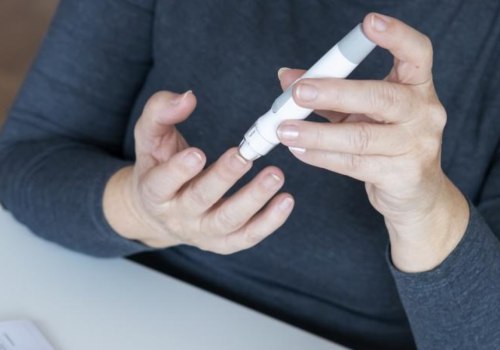
- Monitoring Blood Sugar Levels: Keeping track of blood glucose levels allows individuals to understand how their lifestyle choices impact their condition and make necessary adjustments.
- Support Systems: Having a strong support network, whether through healthcare professionals or community groups, can provide motivation and accountability throughout the process.
It is important to note that remission does not equate to a cure; ongoing management and lifestyle adherence are crucial for maintaining healthy blood sugar levels. In conclusion, reversing type 2 diabetes is an attainable goal for many individuals. By understanding the factors that contribute to remission and committing to sustainable lifestyle changes, it is possible to regain control over one’s health and significantly reduce the risks associated with this condition.
How Long Does It Take to Reverse Type 2 Diabetes?
Understanding the timeframe for reversing type 2 diabetes is crucial for individuals seeking to regain control over their health. The duration of this process can vary significantly from person to person, influenced by several factors including age, duration of diabetes, lifestyle changes, and individual metabolic responses. Generally, many individuals may begin to see improvements in their blood sugar levels within a few weeks of implementing significant lifestyle changes. However, achieving full remission can take longer.Here are some key factors that can affect the timeline:
- Weight Loss: Research indicates that losing just 5-7% of body weight can lead to substantial improvements in blood sugar control. For some, this weight loss can be achieved within a few months, while others may take longer depending on their starting weight and adherence to dietary changes.
- Dietary Changes: Adopting a balanced diet rich in whole foods, fiber, and low in processed sugars can accelerate the reversal process. Individuals who commit to these dietary changes often report improvements in their glucose levels within weeks.
- Physical Activity: Regular exercise plays a vital role in managing type 2 diabetes. Engaging in consistent physical activity can enhance insulin sensitivity and contribute to weight loss, potentially leading to quicker remission.
-
Duration of Diabetes: Those diagnosed with type 2 diabetes for a shorter period may find it easier to reverse their condition compared to those who have lived with it for many years.
The longer the duration, the more challenging it may be to achieve remission.
- Individual Metabolism: Each person's body responds differently to lifestyle changes. Factors such as genetics and existing health conditions can influence how quickly one can reverse type 2 diabetes.
Key Lifestyle Changes for Reversing Type 2 Diabetes
Reversing type 2 diabetes is not just about medication; it requires a comprehensive approach that includes significant lifestyle changes.These changes can dramatically improve blood sugar levels and overall health. Below are some key areas to focus on:
Dietary Modifications
One of the most impactful ways to reverse type 2 diabetes is through dietary changes. A balanced diet rich in whole foods can help manage blood sugar levels effectively. Here are some dietary strategies:-
Emphasize Whole Foods: Incorporate plenty of fruits, vegetables, whole grains, and lean proteins into your meals.
These foods are nutrient-dense and can help stabilize blood sugar.
- Limit Processed Foods: Reduce intake of sugary snacks, beverages, and highly processed foods that can cause spikes in blood glucose levels.
- Control Portion Sizes: Being mindful of portion sizes can prevent overeating and help maintain a healthy weight.
- Monitor Carbohydrate Intake: Understanding how different carbohydrates affect your blood sugar is crucial. Opt for complex carbohydrates with a low glycemic index.
Exercise Routines
Regular physical activity is another cornerstone in reversing type 2 diabetes. Exercise helps improve insulin sensitivity and aids in weight management. Consider the following:- Aim for Consistency: Strive for at least 150 minutes of moderate aerobic activity each week, such as brisk walking or cycling.
- Incorporate Strength Training: Engaging in strength training exercises at least twice a week can enhance muscle mass, which helps regulate blood sugar levels.
- Stay Active Throughout the Day: Look for opportunities to move more throughout your day, whether it’s taking the stairs or going for short walks during breaks.
Other Healthy Habits
In addition to diet and exercise, adopting other healthy habits can further support your journey towards reversing type 2 diabetes:- Prioritize Sleep: Aim for 7-9 hours of quality sleep each night, as poor sleep can negatively impact insulin sensitivity.
-
Manage Stress: Chronic stress can lead to elevated blood sugar levels.
Techniques such as meditation, yoga, or deep-breathing exercises can be beneficial.
- Stay Hydrated: Drinking plenty of water helps maintain hydration and supports overall metabolic health.
The Role of Weight Loss in Reversing Type 2 Diabetes
Weight loss plays a pivotal role in the management and potential reversal of type 2 diabetes. Research indicates that losing just 5-7% of body weight can significantly improve insulin sensitivity and help regulate blood sugar levels. This modest weight reduction can lead to substantial health benefits, including a decrease in the need for diabetes medications and a lower risk of complications associated with the disease. One of the primary reasons weight loss is so effective in reversing type 2 diabetes is that excess body fat, particularly visceral fat, contributes to insulin resistance. When the body becomes resistant to insulin, it struggles to use glucose effectively, leading to elevated blood sugar levels.By shedding excess weight, individuals can reduce this fat and improve their body's ability to utilize insulin.
How Much Weight Should You Aim to Lose?
The amount of weight loss necessary for reversing type 2 diabetes varies from person to person. However, studies suggest that losing between 5-10% of your total body weight can lead to significant improvements in blood sugar control. For example, if you weigh 200 pounds, aiming to lose 10-20 pounds could be a realistic and beneficial goal.Strategies for Achieving Weight Loss
Achieving weight loss requires a combination of dietary changes, physical activity, and behavioral modifications. Here are some effective strategies:- Adopt a Balanced Diet: Focus on whole foods such as fruits, vegetables, lean proteins, and whole grains while minimizing processed foods high in sugar and unhealthy fats.
-
Portion Control: Be mindful of portion sizes to avoid overeating.
Using smaller plates or measuring food can help manage portions effectively.
- Regular Physical Activity: Aim for at least 150 minutes of moderate-intensity exercise each week. Activities like walking, swimming, or cycling can help burn calories and improve overall health.
- Set Realistic Goals: Establish achievable weight loss goals and celebrate small victories along the way to stay motivated.
- Seek Support: Consider joining a support group or working with a healthcare professional who specializes in diabetes management to stay accountable and receive guidance.
Success Stories: Real-Life Examples of Reversing Type 2 Diabetes
Many individuals have embarked on the journey to reverse their type 2 diabetes, and their success stories serve as powerful motivators for others facing similar challenges. These testimonials not only highlight the potential for remission but also provide practical insights into the lifestyle changes that made a difference.Case Study 1: Sarah's Transformation
At 45, Sarah was diagnosed with type 2 diabetes.
Initially overwhelmed, she decided to take control of her health. By adopting a whole-food, plant-based diet and incorporating regular exercise into her routine, she lost 30 pounds within six months. Sarah's blood sugar levels dropped significantly, allowing her to discontinue her medication. Today, she maintains her healthy lifestyle and has been in remission for over two years.
Case Study 2: Mark's Journey
Mark, a 50-year-old father of three, faced serious health complications due to his type 2 diabetes.
After attending a diabetes education program, he learned about the importance of portion control and balanced meals. By focusing on low-glycemic foods and engaging in daily walks with his family, Mark lost 25 pounds. His latest check-up revealed normal blood sugar levels, and he proudly shares his story to inspire others.
Case Study 3: Linda's Commitment
Linda was diagnosed at age 60 and felt hopeless about her condition. However, after joining a local support group, she found encouragement from others who had successfully reversed their type 2 diabetes.
With guidance from a nutritionist, Linda revamped her diet to include more vegetables and lean proteins while cutting out processed sugars. Within a year, she achieved remission and now advocates for healthy living in her community.
Key Takeaways from Success Stories
- Weight Loss: Many individuals found that losing even a small percentage of their body weight significantly impacted their blood sugar levels.
- Dietary Changes: A focus on whole foods, low-glycemic options, and reduced sugar intake proved essential in achieving remission.
- Support Systems: Joining support groups or educational programs provided motivation and accountability for many individuals.
- Regular Exercise: Incorporating physical activity into daily routines helped improve overall health and manage blood sugar levels.
Challenges and Considerations in Reversing Type 2 Diabetes
Reversing type 2 diabetes is a journey that many individuals embark on, but it is not without its challenges. Understanding these obstacles is crucial for anyone looking to achieve remission and maintain a healthy lifestyle. One of the primary challenges faced by individuals is the psychological aspect of making significant lifestyle changes.Many people have developed habits over years that are difficult to break. The emotional connection to food, especially comfort foods that may be high in sugar and unhealthy fats, can create a barrier to adopting a healthier diet. To overcome this, individuals can:
- Seek Support: Joining support groups or working with a therapist can provide the emotional backing needed to make lasting changes.
- Set Realistic Goals: Instead of aiming for drastic changes, setting small, achievable goals can help build confidence and momentum.
- Practice Mindful Eating: Being aware of what and how much you eat can help break the cycle of emotional eating.
Factors such as genetics, metabolism, and existing health conditions can complicate weight loss efforts. To address these issues, consider the following strategies:
- Consult Healthcare Professionals: Working with a dietitian or a diabetes educator can provide personalized guidance tailored to individual needs.
- Incorporate Regular Physical Activity: Finding enjoyable forms of exercise can make it easier to stay active. Aim for at least 150 minutes of moderate aerobic activity each week.
- Monitor Progress: Keeping track of weight loss and blood sugar levels can help maintain motivation and identify what works best for your body.
To navigate these barriers:
- Explore Community Resources: Many communities offer programs that provide access to fresh produce or fitness classes at reduced rates.
- Advocate for Change: Engaging in local health initiatives can help improve access to resources that support healthier lifestyles.
Consulting Healthcare Professionals: A Key Step in Your Journey
When embarking on the journey to reverse type 2 diabetes, consulting healthcare professionals is not just beneficial; it is essential. These experts play a crucial role in guiding individuals through the complexities of diabetes management and reversal. Their knowledge and experience can significantly enhance the likelihood of achieving lasting results.Understanding the Role of Healthcare Professionals
-
Personalized Care: Healthcare professionals, including doctors, dietitians, and diabetes educators, can provide tailored advice based on an individual’s unique health profile.
This personalized approach ensures that the strategies employed are effective and safe.
- Monitoring Progress: Regular check-ups with healthcare providers allow for continuous monitoring of blood sugar levels, weight, and overall health. This ongoing assessment is vital for making necessary adjustments to treatment plans.
- Addressing Coexisting Conditions: Many individuals with type 2 diabetes may also have other health issues, such as hypertension or high cholesterol. Healthcare professionals can help manage these conditions concurrently, ensuring a holistic approach to health.
Collaborative Approach to Diabetes Reversal
Working closely with healthcare professionals fosters a collaborative environment where patients feel supported and empowered. This partnership can include:
- Setting Realistic Goals: Healthcare providers can assist in setting achievable goals for weight loss, dietary changes, and physical activity, which are critical components in reversing type 2 diabetes.
- Education and Resources: Professionals can offer valuable resources, including educational materials and access to support groups, which can enhance understanding and motivation.
-
Medication Management: In some cases, medication may still be necessary during the reversal process.
Healthcare professionals can guide patients on how to safely reduce or eliminate medications as they progress.
The Importance of Medical Guidance
The journey to reverse type 2 diabetes is often filled with challenges. Having medical guidance helps navigate these obstacles effectively. Professionals can provide:
- Coping Strategies: They can offer strategies to deal with setbacks or plateaus in progress, helping individuals stay focused on their goals.
- Nutritional Guidance: Dietitians can create meal plans that align with personal preferences while ensuring nutritional needs are met.
- Mental Health Support: The emotional aspect of managing diabetes is significant. Healthcare providers can connect patients with mental health resources if needed.
Their expertise not only enhances the effectiveness of lifestyle changes but also provides a supportive framework that encourages long-term success.
Frequently Asked Questions About Reversing Type 2 Diabetes
Reversing type 2 diabetes is a topic that generates numerous questions and misconceptions. Below, we address some of the most frequently asked questions to provide clarity and insight into this important health issue.What does it mean to reverse type 2 diabetes?
Reversing type 2 diabetes refers to achieving normal blood sugar levels without the need for medication. This can be accomplished through significant lifestyle changes, including diet and exercise. It’s important to note that while many individuals can achieve remission, ongoing management is essential to maintain these results.How long does it take to reverse type 2 diabetes?
The timeline for reversing type 2 diabetes varies significantly among individuals.Some may see improvements within a few weeks, especially if they adopt a healthy diet and exercise regimen promptly after diagnosis. Generally, losing 5-7% of body weight can lead to substantial improvements in blood sugar levels. For others, particularly those who have had diabetes for many years, it may take several months or even longer to achieve remission.
Can everyone reverse their type 2 diabetes?
While many people can achieve remission, not everyone will be able to reverse their condition completely. Factors such as age, duration of diabetes, genetics, and overall health play a significant role in an individual’s ability to reverse the disease.However, even modest lifestyle changes can lead to improved health outcomes.
Are there any misconceptions about reversing type 2 diabetes?
- Myth: Reversing type 2 diabetes means you no longer have it.
- Fact: Remission is possible, but ongoing management is crucial to prevent relapse.
- Myth: You must follow a strict diet forever.
- Fact: A balanced approach that includes occasional indulgences can be sustainable long-term.
- Myth: Only people who are overweight can reverse their diabetes.
- Fact: Individuals of all body types can benefit from lifestyle changes that improve insulin sensitivity.
Conclusion: Your Path to Reversing Type 2 Diabetes Starts Here
As we conclude our exploration of reversing type 2 diabetes, it’s essential to reflect on the key insights that can empower you on this journey. The path to remission is not only possible but also achievable through dedicated lifestyle changes and informed choices. Throughout this article, we have highlighted several critical factors that contribute to successfully reversing type 2 diabetes:- Weight Management: Losing just 5-7% of your body weight can significantly improve insulin sensitivity and blood sugar levels. This modest reduction can be a game-changer in your diabetes management.
-
Dietary Adjustments: Embracing a balanced diet rich in whole foods, vegetables, lean proteins, and healthy fats is vital.
Avoiding processed foods and sugars can help stabilize blood glucose levels.
- Regular Physical Activity: Incorporating regular exercise into your routine enhances insulin sensitivity and aids in weight loss. Aim for at least 150 minutes of moderate aerobic activity each week.
- Monitoring Progress: Regularly checking your blood sugar levels and keeping track of your weight can help you stay motivated and make necessary adjustments to your plan.
- Support Systems: Engaging with healthcare professionals, support groups, or community programs can provide encouragement and accountability as you work towards reversing your condition.
Celebrate your progress, no matter how minor it may seem, and remain focused on your long-term health goals. With determination and the right strategies, you can take control of your health and potentially reverse type 2 diabetes. Your path to a healthier future starts now—embrace it with optimism and resolve!.