Guide
Comprehensive Guide to Managing Type 2 Diabetes: Essential Insights and Strategies
Discover effective strategies for managing type 2 diabetes, including lifestyle changes, medications, and support systems for better health.

Type 2 diabetes is a chronic condition that affects the way your body metabolizes sugar (glucose), which is a vital source of fuel for your body. Unlike type 1 diabetes, where the body fails to produce insulin, type 2 diabetes can develop at varying speeds depending on factors such as insulin resistance and pancreatic function. This results in elevated blood sugar levels, which can lead to serious health complications if not managed properly. Understanding how fast can type 2 diabetes develop is essential for early detection and effective management. The causes of type 2 diabetes are multifaceted and often involve a combination of genetic and lifestyle factors. Obesity is one of the most significant risk factors, as excess fat, particularly around the abdomen, can lead to insulin resistance. Type 2 diabetes is a chronic condition that affects the way your body metabolizes sugar (glucose), which is a vital source of fuel for your body. Unlike type 1 diabetes, where the body fails to produce insulin, type 2 diabetes can develop at varying speeds depending on factors such as insulin resistance and pancreatic function. This results in elevated blood sugar levels, which can lead to serious health complications if not managed properly. Understanding how fast can type 2 diabetes develop is essential for early detection and effective management. The causes of type 2 diabetes are multifaceted and often involve a combination of genetic and lifestyle factors. Obesity is one of the most significant risk factors, as excess fat, particularly around the abdomen, can lead to insulin resistance.
Additionally, a sedentary lifestyle, poor dietary choices high in processed sugars and fats, and age can contribute to the development of this condition. Other factors such as family history, ethnicity, and certain medical conditions like hypertension can also increase the risk of developing type 2 diabetes. Recognizing the symptoms of type 2 diabetes is crucial for timely intervention. Common symptoms include increased thirst, frequent urination, extreme fatigue, blurred vision, and slow-healing sores or frequent infections. Some individuals may also experience areas of darkened skin, known as acanthosis nigricans, particularly in the armpits and neck.
It’s important to note that some people with type 2 diabetes may not exhibit any symptoms initially, making regular check-ups and blood sugar monitoring vital for those at risk.
Risk Factors for Type 2 Diabetes
Understanding the risk factors for type 2 diabetes is crucial for prevention and early intervention. This condition does not develop overnight; rather, it is influenced by a combination of genetic, lifestyle, and environmental factors.Genetic Predisposition
One of the most significant risk factors for type 2 diabetes is family history. If you have a parent or sibling with the condition, your chances of developing it increase substantially. Genetic factors can affect how your body processes insulin and regulates blood sugar levels.Lifestyle Choices
Your daily habits play a pivotal role in determining your risk for type 2 diabetes.Key lifestyle factors include:
- Diet: A diet high in processed foods, sugars, and unhealthy fats can lead to obesity and insulin resistance. Conversely, a balanced diet rich in whole grains, fruits, vegetables, and lean proteins can help mitigate these risks.
- Physical Activity: Sedentary behavior is a major contributor to weight gain and insulin resistance. Regular physical activity helps maintain a healthy weight and improves insulin sensitivity.
- Weight: Being overweight or obese is one of the strongest risk factors for type 2 diabetes. Excess body fat, particularly around the abdomen, increases the likelihood of developing insulin resistance.
Age and Ethnicity
Age is another important factor; individuals over the age of 45 are at a higher risk.Additionally, certain ethnic groups, including African Americans, Hispanic Americans, Native Americans, and some Asian Americans, are more susceptible to developing type 2 diabetes compared to Caucasians.
Other Health Conditions
If you have conditions such as hypertension or high cholesterol, your risk for type 2 diabetes increases. These conditions often coexist with diabetes and can exacerbate its effects on your health.Environmental Influences
Your environment can also impact your risk level. Factors such as access to healthy foods, safe places to exercise, and healthcare resources can either increase or decrease your likelihood of developing type 2 diabetes. By recognizing these risk factors, individuals can take proactive steps towards reducing their chances of developing type 2 diabetes. Regular check-ups with healthcare providers can also help monitor risk levels and implement preventive measures early on.Diagnosing Type 2 Diabetes
Diagnosing type 2 diabetes is a crucial step in managing the condition effectively.Early detection can significantly reduce the risk of complications associated with diabetes. The diagnosis typically involves a combination of medical history, physical examination, and specific blood tests. There are several key tests used to diagnose type 2 diabetes:
- Fasting Plasma Glucose (FPG) Test: This test measures blood sugar levels after an overnight fast. A fasting blood sugar level of 126 mg/dL (7.0 mmol/L) or higher indicates diabetes.
- Oral Glucose Tolerance Test (OGTT): In this test, blood sugar is measured after fasting and then again two hours after drinking a sugary solution. A two-hour blood sugar level of 200 mg/dL (11.1 mmol/L) or higher suggests diabetes.
-
A1C Test: This test provides an average blood sugar level over the past two to three months.
An A1C level of 6.5% or higher indicates diabetes. This test is particularly useful as it does not require fasting.
This approach helps ensure accuracy and reduces the likelihood of misdiagnosis. If diagnosed with type 2 diabetes, regular monitoring of blood glucose levels becomes essential. This ongoing assessment helps in adjusting treatment plans and lifestyle changes effectively. Understanding how these tests work and what the results mean can empower individuals to take charge of their health and make informed decisions regarding their diabetes management.
Managing Type 2 Diabetes: Lifestyle Changes
Managing type 2 diabetes effectively requires a comprehensive approach that emphasizes significant lifestyle changes. These modifications not only help in controlling blood sugar levels but also enhance overall health and well-being.Dietary Recommendations
A well-balanced diet is crucial for individuals with type 2 diabetes.Here are some key dietary strategies:
- Focus on Whole Foods: Incorporate whole grains, lean proteins, healthy fats, fruits, and vegetables into your meals. These foods are nutrient-dense and can help stabilize blood sugar levels.
- Monitor Carbohydrate Intake: Understanding how carbohydrates affect blood sugar is essential. Opt for complex carbohydrates like brown rice and quinoa, which are digested more slowly than simple sugars.
- Portion Control: Be mindful of portion sizes to avoid overeating. Using smaller plates can help manage portions effectively.
- Limit Processed Foods: Reduce intake of sugary snacks, sodas, and fast food, as these can lead to spikes in blood sugar levels.
Exercise Routines
Regular physical activity plays a vital role in managing type 2 diabetes.Here are some exercise recommendations:
- Aerobic Exercise: Aim for at least 150 minutes of moderate-intensity aerobic activity each week. Activities like brisk walking, cycling, or swimming can improve insulin sensitivity.
- Strength Training: Incorporate strength training exercises at least twice a week. Building muscle mass helps the body use insulin more effectively.
- Flexibility and Balance: Include stretching and balance exercises to enhance overall fitness and reduce the risk of injury.
The Role of Weight Management
Maintaining a healthy weight is particularly important for those with type 2 diabetes. Losing even a small percentage of body weight can significantly improve blood sugar control.Strategies for effective weight management include:
- Set Realistic Goals: Aim for gradual weight loss through sustainable lifestyle changes rather than quick fixes.
- Stay Hydrated: Drink plenty of water throughout the day to support metabolism and reduce hunger.
- Seek Support: Consider joining a support group or working with a dietitian to stay motivated and accountable.
Medications for Type 2 Diabetes Management
Managing type 2 diabetes often requires a multifaceted approach, and medications play a crucial role in this process. Understanding the various types of medications available, their mechanisms of action, and potential side effects is essential for anyone considering pharmacological treatment as part of their diabetes management plan.Types of Medications for Type 2 Diabetes
There are several classes of medications used to manage type 2 diabetes, each working in different ways to help control blood sugar levels:- Metformin: This is usually the first-line medication prescribed for type 2 diabetes. Metformin works by decreasing glucose production in the liver and improving insulin sensitivity, which helps the body use insulin more effectively.
-
Sulfonylureas: These medications stimulate the pancreas to produce more insulin.
Common examples include glipizide and glyburide. While effective, they can sometimes lead to low blood sugar levels (hypoglycemia).
- GLP-1 Receptor Agonists: Medications like liraglutide and semaglutide mimic the action of incretin hormones, which increase insulin secretion in response to meals and slow gastric emptying. This helps reduce appetite and can lead to weight loss.
- SGLT2 Inhibitors: Drugs such as canagliflozin and empagliflozin work by preventing the reabsorption of glucose in the kidneys, leading to increased glucose excretion through urine. This class of medication also has cardiovascular benefits.
- DPP-4 Inhibitors: Medications like sitagliptin and saxagliptin enhance the body’s own ability to lower blood sugar by inhibiting the enzyme DPP-4, which destroys incretin hormones.
How Do Diabetes Medications Work?
The effectiveness of diabetes medications lies in their ability to target different physiological processes involved in glucose metabolism.For instance, while metformin primarily focuses on reducing liver glucose production, GLP-1 receptor agonists also address appetite control and gastric emptying. This multifaceted approach allows for more comprehensive management of blood sugar levels.
Potential Side Effects
While medications can be highly effective, they may also come with side effects that patients should be aware of:- Metformin: Common side effects include gastrointestinal issues such as nausea and diarrhea. Rarely, it can lead to lactic acidosis, a serious condition.
- Sulfonylureas: These can cause hypoglycemia and weight gain as side effects.
- GLP-1 Receptor Agonists: Potential side effects include nausea, vomiting, and an increased risk of pancreatitis.
- SGLT2 Inhibitors: These may lead to urinary tract infections or dehydration due to increased urination.
- DPP-4 Inhibitors: Side effects can include joint pain and a risk of pancreatitis.
Monitoring Blood Sugar Levels
Monitoring blood sugar levels is a crucial aspect of managing type 2 diabetes.Regular checks help individuals understand how their body responds to food, exercise, and medication, allowing for timely adjustments to their management plan. This proactive approach can significantly reduce the risk of complications associated with diabetes. There are several methods available for monitoring blood sugar levels, each with its own advantages and considerations:
-
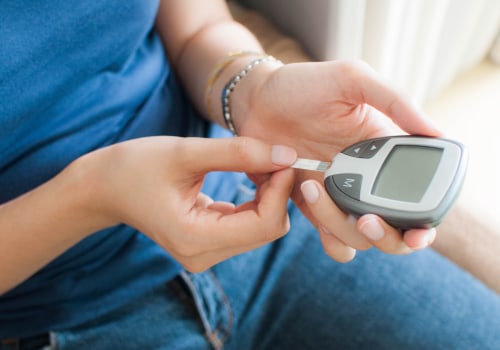
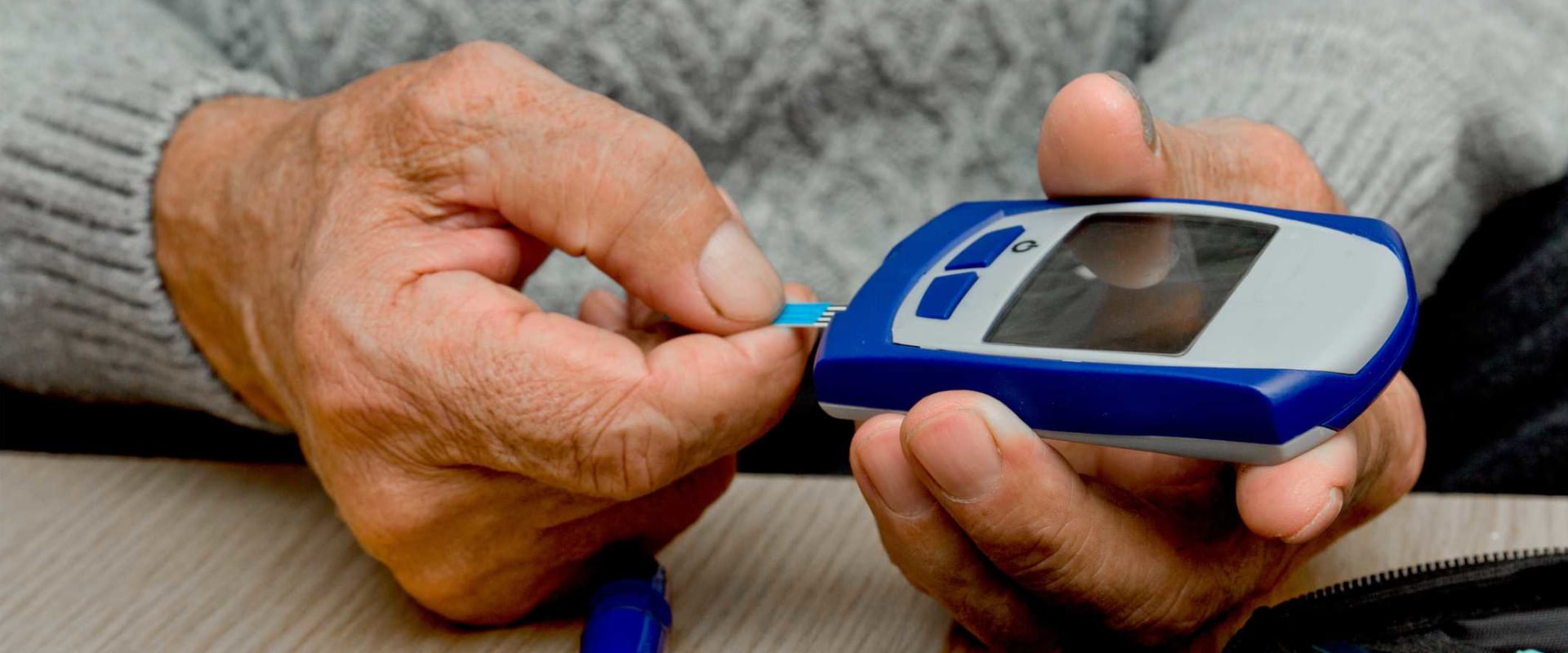
Fingerstick Blood Glucose Meters: This is the most common method for self-monitoring. Users prick their finger with a small lancet to obtain a drop of blood, which is then placed on a test strip inserted into a glucose meter. Results are typically available within seconds.
It’s recommended to check blood sugar levels at various times throughout the day, such as before meals and two hours after eating.
- Continuous Glucose Monitors (CGMs): CGMs are devices that provide real-time glucose readings throughout the day and night. A small sensor is placed under the skin, usually on the abdomen or arm, which measures glucose levels in interstitial fluid. This method allows for continuous tracking and can alert users to high or low blood sugar levels, making it easier to manage fluctuations.
-
Flash Glucose Monitoring: Similar to CGMs, flash monitors involve a sensor placed under the skin. However, users must scan the sensor with a reader device to obtain their glucose levels.
This method offers flexibility and convenience without the need for fingersticks.
- Laboratory Tests: In addition to self-monitoring, regular visits to healthcare providers for laboratory tests are essential. The A1C test measures average blood sugar levels over the past two to three months and helps assess long-term control of diabetes.
Complications Associated with Type 2 Diabetes
Managing type 2 diabetes effectively is crucial not only for maintaining blood sugar levels but also for preventing a range of serious complications that can arise from the condition.When blood sugar levels are poorly controlled over time, various organs and systems in the body can be adversely affected, leading to long-term health issues. One of the most significant complications associated with type 2 diabetes is cardiovascular disease. Individuals with diabetes are at a higher risk of developing heart-related conditions, including:
- Coronary artery disease: This condition occurs when the blood vessels supplying the heart become narrowed or blocked, increasing the risk of heart attacks.
- Stroke: Diabetes can lead to increased blood pressure and cholesterol levels, both of which are risk factors for stroke.
- Peripheral artery disease: This condition affects blood flow to the limbs, which can lead to pain and mobility issues.
- Peripheral neuropathy: This affects the nerves in the extremities, leading to symptoms such as tingling, numbness, and pain in the hands and feet.
- Autonomic neuropathy: This impacts involuntary bodily functions, potentially causing issues with digestion, heart rate, and blood pressure regulation.
Diabetic retinopathy can lead to vision impairment or even blindness due to damage to the blood vessels in the retina. Regular eye examinations are vital for early detection and treatment. Lastly, individuals with type 2 diabetes are at an increased risk for skin infections and slow-healing wounds. High blood sugar levels can impair circulation and immune response, making it more difficult for the body to fight off infections. Acknowledging these potential complications can serve as a powerful motivator for individuals managing type 2 diabetes. By adhering to prescribed management strategies—including medication adherence, regular monitoring of blood sugar levels, and lifestyle modifications such as diet and exercise—individuals can significantly reduce their risk of these serious health issues.
Psychological Aspects of Living with Type 2 Diabetes
Living with type 2 diabetes can significantly impact an individual’s mental health.The constant need to monitor blood sugar levels, adhere to dietary restrictions, and manage medications can lead to feelings of stress, anxiety, and even depression. Understanding these psychological challenges is crucial for effective management of the condition. Many individuals with type 2 diabetes experience a phenomenon known as diabetes distress. This term refers to the emotional burden that comes with managing a chronic illness. Symptoms may include:
- Feeling overwhelmed by the demands of diabetes management
- Worrying about complications related to the disease
- Experiencing frustration over lifestyle changes
- Feeling isolated or misunderstood by others
Addressing mental health is just as important as managing physical health. Here are some strategies to cope with the stress and anxiety associated with this condition:
- Seek Support: Connecting with others who understand your experience can be incredibly beneficial. Consider joining a support group or engaging in online forums where you can share your feelings and learn from others.
- Practice Mindfulness: Techniques such as meditation, yoga, or deep-breathing exercises can help reduce stress levels. Mindfulness encourages you to focus on the present moment, which can alleviate worries about the future.
- Establish a Routine: Creating a daily routine that includes regular meal times, exercise, and medication schedules can provide structure and reduce anxiety about managing your diabetes.
-
Communicate with Healthcare Providers: Open dialogue with your healthcare team about your mental health is vital.
They can offer resources, referrals to mental health professionals, or adjustments in your treatment plan if needed.
- Educate Yourself: Knowledge is empowering. Understanding more about type 2 diabetes can help demystify the condition and reduce fear associated with it.
Support Systems for Managing Type 2 Diabetes
Managing type 2 diabetes can be a challenging journey, but having a robust support system can make a significant difference. Support systems encompass family, friends, healthcare professionals, and community resources that work together to help individuals manage their condition effectively.Family Support
Family involvement is crucial in managing type 2 diabetes.
When family members understand the condition, they can provide emotional support and encouragement. Here are some ways families can help:
- Education: Family members should educate themselves about type 2 diabetes, including its symptoms, treatment options, and dietary needs. This knowledge enables them to offer informed support.
- Meal Planning: Involving family in meal planning can lead to healthier eating habits for everyone. Preparing balanced meals together not only supports the individual with diabetes but also fosters family bonding.
-
Exercise Partners: Encouraging physical activity as a family can make exercise more enjoyable.
Whether it’s walking, biking, or participating in sports, having a workout buddy can motivate individuals to stay active.
- Emotional Support: Living with type 2 diabetes can be emotionally taxing. Family members should be available to listen and provide encouragement during tough times.
Community Resources
In addition to family support, community resources play a vital role in managing type 2 diabetes. Many organizations offer programs and services that can enhance an individual’s ability to manage their condition:
- Support Groups: Joining a support group allows individuals to connect with others facing similar challenges. Sharing experiences and strategies can provide valuable insights and foster a sense of belonging.
-
Nutritional Workshops: Many community centers and hospitals offer workshops focused on nutrition for diabetes management.
These sessions can teach individuals how to make healthier food choices and understand portion control.
- Exercise Programs: Local gyms or community centers may offer exercise programs specifically designed for people with diabetes. These programs often include guidance from fitness professionals who understand the unique needs of those managing type 2 diabetes.
- Counseling Services: Mental health is an essential aspect of managing chronic conditions. Accessing counseling services can help individuals cope with the emotional aspects of living with diabetes.
Conclusion: Taking Charge of Your Health with Type 2 Diabetes
In summary, managing type 2 diabetes is a multifaceted journey that requires commitment, education, and proactive measures.Throughout this article, we have explored the critical aspects of controlling this condition, emphasizing the importance of understanding how type 2 diabetes affects your body and the lifestyle changes necessary for effective management. One of the most significant takeaways is the role of diet and exercise. A balanced diet rich in whole foods, such as fruits, vegetables, lean proteins, and whole grains, can help regulate blood sugar levels. Regular physical activity not only aids in weight management but also enhances insulin sensitivity, making it easier for your body to utilize glucose effectively. Incorporating both aerobic and strength-training exercises into your routine can yield substantial benefits. Monitoring your blood sugar levels is another crucial component of managing type 2 diabetes.
By keeping track of your glucose levels, you can identify patterns and make informed decisions about your diet and activity levels. This self-awareness empowers you to take charge of your health and make adjustments as needed. Moreover, it’s essential to maintain open communication with your healthcare team. Regular check-ups allow for timely adjustments to your treatment plan and provide an opportunity to discuss any concerns or complications that may arise. Your doctor can also guide you on medications that may be necessary if lifestyle changes alone are insufficient. Education plays a vital role in managing type 2 diabetes.
Understanding the condition enables you to make informed choices about your health. Consider joining support groups or educational programs that focus on diabetes management. These resources can provide valuable insights and foster a sense of community among those facing similar challenges. Finally, remember that taking charge of your health is a continuous process. Celebrate small victories along the way, whether it’s achieving a target weight or maintaining stable blood sugar levels.
Each step forward is a testament to your dedication and resilience. By embracing these strategies and remaining proactive in your approach, you can effectively manage type 2 diabetes, improve your quality of life, and reduce the risk of complications. Your health is in your hands—take charge today!.