Guide
Understanding the Risks: Does Type 2 Diabetes Lead to Death? A Comprehensive Guide
Explore the risks of type 2 diabetes, its complications, and how to manage your health effectively to reduce mortality risks.


Type 2 diabetes is a chronic condition that affects millions of individuals worldwide, characterized by the body's inability to effectively use insulin. This form of diabetes has become increasingly prevalent, with lifestyle factors such as poor diet, lack of physical activity, and obesity contributing significantly to its rise. As a result, understanding the implications of living with diabetes 2 is crucial not only for those diagnosed but also for the broader community. The disease can lead to a myriad of complications that extend beyond elevated blood sugar levels, raising critical questions about its potential to lead to death. Type 2 diabetes is a chronic condition that affects millions of individuals worldwide, characterized by the body's inability to effectively use insulin. This form of diabetes has become increasingly prevalent, with lifestyle factors such as poor diet, lack of physical activity, and obesity contributing significantly to its rise. As a result, understanding the implications of living with diabetes 2 is crucial not only for those diagnosed but also for the broader community. The disease can lead to a myriad of complications that extend beyond elevated blood sugar levels, raising critical questions about its potential to lead to death. diabetes is a chronic condition that affects millions of individuals worldwide, characterized by the body's inability to effectively use insulin. This form of diabetes has become increasingly prevalent, with lifestyle factors such as poor diet, lack of physical activity, and obesity contributing significantly to its rise. As a result, understanding the implications of living with diabetes 2 is crucial not only for those diagnosed but also for the broader community. The disease can lead to a myriad of complications that extend beyond elevated blood sugar levels, raising critical questions about its potential to lead to death. Type 2 diabetes is a chronic condition that affects millions of individuals worldwide, characterized by the body's inability to effectively use insulin. This form of diabetes has become increasingly prevalent, with lifestyle factors such as poor diet, lack of physical activity, and obesity contributing significantly to its rise. As a result, understanding the implications of living with diabetes 2 is crucial not only for those diagnosed but also for the broader community. The disease can lead to a myriad of complications that extend beyond elevated blood sugar levels, raising critical questions about its potential to lead to death.
Moreover, it is important to consider the type 1 diabetes life span as individuals living with this condition face an increased risk of developing serious health issues, including cardiovascular diseases, kidney failure, and nerve damage. These complications can significantly diminish quality of life and, in severe cases, may result in premature death. Research indicates that people with type 2 diabetes are two to four times more likely to die from heart disease compared to those without the condition. This stark statistic underscores the importance of managing blood sugar levels and maintaining overall health. Moreover, the relationship between type 2 diabetes and mortality is complex. While effective management can mitigate many risks associated with the disease, poorly controlled diabetes can lead to dire consequences. Moreover, it is important to consider the type 1 diabetes life span as individuals living with this condition face an increased risk of developing serious health issues, including cardiovascular diseases, kidney failure, and nerve damage. These complications can significantly diminish quality of life and, in severe cases, may result in premature death. Research indicates that people with type 2 diabetes are two to four times more likely to die from heart disease compared to those without the condition. This stark statistic underscores the importance of managing blood sugar levels and maintaining overall health. Moreover, the relationship between type 2 diabetes and mortality is complex. While effective management can mitigate many risks associated with the disease, poorly controlled diabetes can lead to dire consequences.
High blood sugar levels can damage vital organs over time, leading to complications that may ultimately be fatal. Therefore, it is essential for individuals diagnosed with type 2 diabetes to engage in proactive health management strategies that include regular monitoring of blood glucose levels, adherence to prescribed medications, and lifestyle modifications. As we delve deeper into this comprehensive guide on type 2 diabetes and its implications, we will explore the various risks associated with the disease, the potential for complications that can lead to death, and actionable steps individuals can take to improve their health outcomes. Understanding these elements is vital for anyone affected by type 2 diabetes or those seeking to prevent its onset.
What is Type 2 Diabetes?
Type 2 diabetes
is a chronic condition that affects the way your body metabolizes sugar (glucose), which is a vital source of fuel for your body. Unlike type 1 diabetes, where the body fails to produce insulin, type 2 diabetes is characterized by insulin resistance, meaning the body does not use insulin effectively.
Over time, the pancreas cannot produce enough insulin to maintain normal glucose levels, leading to elevated blood sugar levels. The causes of type 2 diabetes are multifaceted and often involve a combination of genetic and environmental factors. Some of the primary contributors include:
- Obesity: Excess body fat, particularly around the abdomen, is a significant risk factor. Fat cells can produce hormones that may lead to insulin resistance.
- Physical Inactivity: A sedentary lifestyle contributes to weight gain and increases the risk of developing type 2 diabetes.
- Unhealthy Diet: Diets high in processed foods, sugars, and unhealthy fats can lead to obesity and insulin resistance.
- Genetics: A family history of diabetes can increase your risk, as certain genes may predispose individuals to the condition.
- Age: The risk of developing type 2 diabetes increases with age, particularly after age 45.
- Hormonal Changes: Conditions such as polycystic ovary syndrome (PCOS) can increase the risk due to hormonal imbalances affecting insulin sensitivity.
- Increased thirst and frequent urination
- Extreme fatigue
- Blurred vision
- Slow-healing sores or frequent infections
- Areas of darkened skin, usually in the armpits and neck
Unlike type 1 diabetes, which typically manifests in childhood or adolescence, type 2 diabetes is more common in adults but is increasingly being diagnosed in children and adolescents due to rising obesity rates. This shift highlights the importance of awareness and proactive management of this condition.
The Connection Between Type 2 Diabetes and Mortality
Type 2 diabetes is not just a chronic condition; it significantly impacts mortality rates and overall life expectancy. Research indicates that individuals diagnosed with type 2 diabetes face a markedly higher risk of premature death compared to those without the disease. According to the American Diabetes Association , adults with diabetes are two to four times more likely to die from heart disease than their non-diabetic counterparts.This alarming statistic underscores the critical connection between type 2 diabetes and increased mortality. One of the primary reasons for this heightened risk is the array of complications associated with poorly managed diabetes. Chronic high blood sugar levels can lead to severe health issues, including:
- Cardiovascular diseases: Heart attacks and strokes are prevalent among those with type 2 diabetes due to damage inflicted on blood vessels over time.
- Kidney failure: Diabetic nephropathy, or kidney disease, is a common complication that can lead to end-stage renal disease, requiring dialysis or transplantation.
- Nerve damage: Neuropathy can result in loss of sensation, particularly in the feet, increasing the risk of injuries and infections that may necessitate amputations.
- Vision problems: Diabetic retinopathy can lead to blindness if not managed effectively.
Many individuals with diabetes also suffer from obesity, hypertension, and dyslipidemia (abnormal cholesterol levels), all of which contribute to cardiovascular risks. The presence of these comorbidities creates a vicious cycle where each condition worsens the others, further elevating mortality risks. In conclusion, understanding the connection between type 2 diabetes and mortality is crucial for both patients and healthcare providers. By recognizing the serious implications of this disease, individuals can take proactive steps towards managing their health through lifestyle changes, regular monitoring, and adherence to treatment plans. Early intervention and effective management strategies can significantly improve outcomes and enhance quality of life for those living with type 2 diabetes. Many individuals with diabetes also suffer from obesity, hypertension, and dyslipidemia (abnormal cholesterol levels), all of which contribute to cardiovascular risks. The presence of these comorbidities creates a vicious cycle where each condition worsens the others, further elevating mortality risks. In conclusion, understanding the connection between type 2 diabetes and mortality is crucial for both patients and healthcare providers. By recognizing the serious implications of this disease, individuals can take proactive steps towards managing their health through lifestyle changes, regular monitoring, and adherence to treatment plans. Early intervention and effective management strategies can significantly improve outcomes and enhance quality of life for those living with type 2 diabetes.
Complications Associated with Type 2 Diabetes
Type 2 diabetes can lead to a myriad of serious health complications if not managed effectively.Understanding these complications is crucial for individuals living with the condition, as well as for their families and caregivers. Below are some of the most significant complications associated with poorly controlled type 2 diabetes:
Cardiovascular Disease
One of the most severe risks linked to type 2 diabetes is cardiovascular disease. Individuals with diabetes are at a significantly higher risk of developing heart-related issues, including:- Heart Attack: High blood sugar levels can damage blood vessels and nerves that control the heart, leading to an increased likelihood of heart attacks.
- Stroke: Diabetes can contribute to the hardening of arteries (atherosclerosis), which raises the risk of stroke.
- High Blood Pressure: Many people with type 2 diabetes also experience hypertension, further compounding cardiovascular risks.
Kidney Damage (Diabetic Nephropathy)
The kidneys play a vital role in filtering waste from the blood. Type 2 diabetes can lead to diabetic nephropathy , a condition where the kidneys become damaged over time due to high blood sugar levels.This can result in:
- Kidney Failure: In severe cases, kidney function may decline to the point where dialysis or a kidney transplant is necessary.
- Increased Protein in Urine: One of the early signs of kidney damage is protein leakage into the urine, which can be detected through routine tests.
Nerve Damage (Neuropathy)
Diabetic neuropathy
is another common complication that affects many individuals with type 2 diabetes. This condition occurs when high blood sugar levels damage nerves throughout the body, leading to:
- Pain and Tingling: Many people experience pain, tingling, or numbness in their extremities, particularly in the feet and hands.
- Loss of Sensation: In severe cases, individuals may lose sensation in their feet, increasing the risk of injuries and infections.
Vision Problems
Type 2 diabetes can also lead to serious eye conditions, including:- Diabetic Retinopathy: This condition damages the blood vessels in the retina and can lead to blindness if not treated.
- Cataracts and Glaucoma: People with diabetes are at a higher risk for developing cataracts and glaucoma, both of which can impair vision.
Cardiovascular Disease: The Leading Cause of Death in Diabetics
Cardiovascular disease (CVD) stands as the predominant cause of mortality among individuals diagnosed with type 2 diabetes. The intricate relationship between high blood sugar levels and heart health is a critical area of concern for both patients and healthcare providers.When blood glucose levels remain elevated over time, they can lead to a series of damaging effects on the cardiovascular system. One of the primary mechanisms through which type 2 diabetes contributes to heart disease is by causing damage to blood vessels. High glucose levels can lead to the thickening and stiffening of arterial walls, a condition known as atherosclerosis. This process narrows the arteries, reducing blood flow and increasing the risk of heart attacks and strokes. Furthermore, individuals with diabetes often experience other risk factors such as hypertension and dyslipidemia, which exacerbate cardiovascular risks. According to the American Heart Association, adults with diabetes are two to four times more likely to develop heart disease compared to those without the condition.
This alarming statistic underscores the importance of proactive measures in managing both diabetes and cardiovascular health.
Preventing Heart Disease in Diabetics
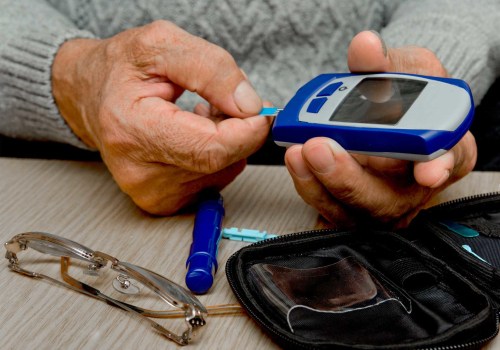
Fortunately, there are several strategies that individuals with type 2 diabetes can adopt to mitigate their risk of developing cardiovascular disease:- Regular Monitoring: Keeping track of blood sugar levels is essential. Consistent monitoring helps in maintaining glucose levels within a target range, thereby reducing the risk of complications.
- Healthy Diet: A balanced diet rich in whole grains, fruits, vegetables, lean proteins, and healthy fats can help manage blood sugar levels and support heart health. Limiting processed foods high in sugars and unhealthy fats is crucial.
- Physical Activity: Engaging in regular physical activity can improve insulin sensitivity and lower blood pressure. Aim for at least 150 minutes of moderate aerobic exercise each week.
-
Avoiding Tobacco: Smoking significantly increases the risk of heart disease.
Quitting smoking can greatly improve cardiovascular health.
- Medication Management: For some individuals, medications may be necessary to control blood pressure, cholesterol levels, or blood sugar. Regular consultations with healthcare providers can ensure that treatment plans are effective.
The Role of Diet and Exercise in Diabetes Management
Managing type 2 diabetes effectively requires a comprehensive approach that includes both diet and exercise. These two components play a crucial role in controlling blood sugar levels, improving overall health, and reducing the risk of complications associated with diabetes.Diet for Type 2 Diabetes
A well-balanced diet is essential for individuals with type 2 diabetes.Here are some key nutrition tips:
- Focus on Whole Foods: Incorporate whole grains, lean proteins, healthy fats, fruits, and vegetables into your meals. These foods are nutrient-dense and can help stabilize blood sugar levels.
- Monitor Carbohydrate Intake: Carbohydrates have a direct impact on blood sugar. Choose complex carbohydrates like brown rice and quinoa over simple sugars found in sweets and processed foods.
- Portion Control: Be mindful of portion sizes to avoid overeating. Using smaller plates can help manage portions effectively.
-
Regular Meal Timing: Eating at consistent times can help regulate blood sugar levels.
Aim for three balanced meals a day with healthy snacks in between if needed.
- Limit Sugary Foods: Reduce the intake of sugary beverages and snacks. Opt for water or unsweetened drinks instead.
Exercise Benefits for Diabetics
Physical activity is another cornerstone of diabetes management. Regular exercise offers numerous benefits:- Improved Insulin Sensitivity: Exercise helps your body use insulin more effectively, which can lower blood sugar levels.
- Weight Management: Maintaining a healthy weight is crucial for managing type 2 diabetes. Regular physical activity can aid in weight loss or maintenance.
- Cardiovascular Health: Exercise strengthens the heart and improves circulation, reducing the risk of heart disease—a common complication of diabetes.
- Mood Enhancement: Physical activity releases endorphins, which can improve mood and reduce stress, factors that can negatively impact blood sugar control.
Additionally, include strength training exercises at least twice a week to build muscle mass and enhance metabolic health. In conclusion, a balanced diet combined with regular physical activity is vital for managing type 2 diabetes. By making informed choices about what you eat and staying active, you can significantly improve your health outcomes and quality of life.
Psychological Impact of Living with Type 2 Diabetes
Living with type 2 diabetes can significantly affect an individual’s mental health. The constant management of blood sugar levels, dietary restrictions, and the fear of complications can lead to emotional challenges that are often overlooked. Understanding the psychological impact of this chronic condition is crucial for effective management and overall well-being. Many individuals with type 2 diabetes experience feelings of anxiety and depression.The stress of daily monitoring and the pressure to maintain a healthy lifestyle can be overwhelming. According to research, people with diabetes are at a higher risk of developing mental health disorders compared to those without the condition. This connection highlights the importance of addressing both physical and mental health in diabetes care.
Coping Strategies for Emotional Well-Being
Implementing effective coping strategies can help individuals manage the emotional toll of living with type 2 diabetes. Here are some techniques that may prove beneficial:-
Mindfulness and Meditation: Practicing mindfulness can help reduce stress and improve emotional regulation.
Techniques such as meditation or deep-breathing exercises allow individuals to focus on the present moment, alleviating anxiety about future health concerns.
- Physical Activity: Regular exercise not only helps in managing blood sugar levels but also releases endorphins, which can enhance mood and reduce feelings of depression.
- Support Groups: Connecting with others who share similar experiences can provide emotional support and practical advice. Support groups offer a safe space to discuss challenges and celebrate successes.
- Professional Help: Seeking therapy or counseling from a mental health professional can be invaluable. Cognitive-behavioral therapy (CBT) has been shown to be effective in helping individuals cope with the psychological aspects of chronic illness.
By addressing both physical and emotional health, individuals can achieve better outcomes and improve their quality of life. In conclusion, the psychological impact of living with type 2 diabetes is significant and multifaceted. By employing coping strategies and seeking support, individuals can navigate the emotional challenges associated with this chronic condition more effectively. Prioritizing mental health is not just beneficial; it is a vital component of comprehensive diabetes management.
FAQs About Type 2 Diabetes and Its Risks
Understanding type 2 diabetes and its associated risks is crucial for managing the condition effectively. Here are some frequently asked questions that can help clarify common concerns and dispel myths surrounding diabetes mortality.What are the main health risks associated with type 2 diabetes?
Individuals with type 2 diabetes face several health risks, primarily due to the impact of high blood sugar levels on the body.Some of the most significant risks include:
- Cardiovascular Disease: People with diabetes are at a higher risk of heart disease and stroke due to damage to blood vessels caused by prolonged high blood sugar.
- Kidney Damage: Diabetes can lead to diabetic nephropathy, a condition that impairs kidney function and can result in kidney failure.
- Nerve Damage: High blood sugar can cause neuropathy, leading to pain, tingling, or loss of sensation, particularly in the feet.
- Eye Complications: Diabetic retinopathy can occur, potentially leading to blindness if not managed properly.
- Foot Problems: Poor circulation and nerve damage can result in foot ulcers and infections, sometimes necessitating amputations.
Can type 2 diabetes lead to death?
Yes, if not managed effectively, type 2 diabetes can lead to severe complications that may ultimately result in death. Cardiovascular diseases are the leading cause of mortality among individuals with diabetes. However, with proper management—including medication adherence, lifestyle changes, and regular monitoring—many people with diabetes can live long and healthy lives.Are there myths about type 2 diabetes mortality?
Several misconceptions exist regarding the mortality risks associated with type 2 diabetes. Here are a few common myths:-
Myth 1: All people with diabetes will die young.
This is false; many individuals manage their condition effectively and live into old age.
- Myth 2: Diabetes is not a serious disease. This misconception undermines the importance of managing blood sugar levels and recognizing potential complications.
- Myth 3: Insulin use means my diabetes is out of control. This is incorrect; insulin is a necessary treatment for many individuals and does not indicate poor management.
Conclusion: Taking Control of Your Health with Type 2 Diabetes
In conclusion, managing type 2 diabetes is not just about controlling blood sugar levels; it is a comprehensive approach to enhancing overall health and well-being. Throughout this guide, we have explored the multifaceted nature of this condition, emphasizing that proactive management can significantly reduce the risk of severe complications and improve quality of life. One of the most critical takeaways is the undeniable link between type 2 diabetes and cardiovascular disease.Individuals with this condition face a heightened risk of heart attacks and strokes due to the damaging effects of high blood sugar on blood vessels. Therefore, maintaining optimal blood sugar levels is essential not only for managing diabetes but also for protecting heart health. Moreover, the importance of lifestyle choices cannot be overstated. Regular physical activity, a balanced diet rich in whole foods, and weight management play pivotal roles in controlling type 2 diabetes. These lifestyle modifications can lead to improved insulin sensitivity and better overall metabolic health. Additionally, regular monitoring and consultations with healthcare professionals are vital.
Engaging in routine check-ups allows for timely adjustments in treatment plans and helps in identifying potential complications early on. This proactive approach can be life-saving. It is also crucial to recognize the psychological aspects of living with type 2 diabetes. The emotional burden can be significant, and seeking support from healthcare providers, family, or support groups can make a substantial difference in managing the condition effectively. Ultimately, taking control of your health when living with type 2 diabetes involves a commitment to education, self-care, and collaboration with healthcare professionals. By adopting a proactive stance, individuals can not only mitigate the risks associated with this condition but also lead fulfilling lives.
Remember, every small step counts towards better health and longevity.