Guide
Comprehensive Guide to Type 2 Diabetes and Its Impact on Vision Health
Explore the connection between type 2 diabetes and vision problems, including diabetic retinopathy, cataracts, and prevention strategies.


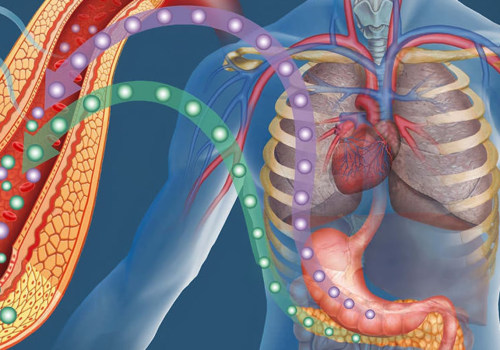
Type 2 diabetes is a complex and increasingly prevalent metabolic disorder that affects how the body processes glucose, a vital source of energy. Unlike type 1 diabetes, where the body fails to produce insulin, type 2 diabetes vs type 1 diabetes typically arises when the body becomes resistant to insulin or when the pancreas cannot produce sufficient insulin to maintain normal glucose levels. This condition can lead to elevated blood sugar levels, which, if left unmanaged, can result in serious health complications and impact the living with diabetes 2 life span. According to the Centers for Disease Control and Prevention (CDC), over 34 million Americans are currently living with diabetes, with type 2 diabetes, which is caused by various factors including genetics and lifestyle choices, accounting for approximately 90-95% of all diagnosed cases of living with diabetes 2.The rising prevalence of this condition is alarming, particularly as it is often linked to lifestyle factors such as obesity, physical inactivity, and poor dietary choices that contribute to what causes diabetes 2.Understanding the difference between type 1 diabetes vs type 2 diabetes, specifically life span. According to the Centers for Disease Control and Prevention (CDC), over 34 million Americans are currently living with diabetes, with type 2 diabetes, which is caused by various factors including genetics and lifestyle choices, accounting for approximately 90-95% of all diagnosed cases of living with diabetes 2.The rising prevalence of this condition is alarming, particularly as it is often linked to lifestyle factors such as obesity, physical inactivity, and poor dietary choices that contribute to what causes diabetes 2.Understanding the difference between type 1 diabetes vs type 2 diabetes, specifically .Understanding the difference between type 1 diabetes vs type 2 diabetes, specifically life span. According to the Centers for Disease Control and Prevention (CDC), over 34 million Americans are currently living with diabetes, with type 2 diabetes, which is caused by various factors including genetics and lifestyle choices, accounting for approximately 90-95% of all diagnosed cases of living with diabetes 2.The rising prevalence of this condition is alarming, particularly as it is often linked to lifestyle factors such as obesity, physical inactivity, and poor dietary choices that contribute to what causes diabetes 2.Understanding the difference between type 1 diabetes vs type 2 diabetes, specifically which diabetes is worse, type 2 diabetes, is crucial not only for those diagnosed but also for the general public, as awareness can lead to early detection and better management strategies for Type 2 diabetes is a complex and increasingly prevalent metabolic disorder that affects how the body processes glucose, a vital source of energy. Unlike type 1 diabetes, where the body fails to produce insulin, type 2 diabetes vs type 1 diabetes typically arises when the body becomes resistant to insulin or when the pancreas cannot produce sufficient insulin to maintain normal glucose levels. This condition can lead to elevated blood sugar levels, which, if left unmanaged, can result in serious health complications and impact the living with diabetes 2 life span. According to the Centers for Disease Control and Prevention (CDC), over 34 million Americans are currently living with diabetes, with type 2 diabetes, which is caused by various factors including genetics and lifestyle choices, accounting for approximately 90-95% of all diagnosed cases of living with diabetes 2.The rising prevalence of this condition is alarming, particularly as it is often linked to lifestyle factors such as obesity, physical inactivity, and poor dietary choices that contribute to what causes diabetes 2.Understanding the difference between type 1 diabetes vs type 2 diabetes, specifically which diabetes is worse, type 2 diabetes, is crucial not only for those diagnosed but also for the general public, as awareness can lead to early detection and better management strategies for life span. According to the Centers for Disease Control and Prevention (CDC), over 34 million Americans are currently living with diabetes, with type 2 diabetes, which is caused by various factors including genetics and lifestyle choices, accounting for approximately 90-95% of all diagnosed cases of living with diabetes 2.The rising prevalence of this condition is alarming, particularly as it is often linked to lifestyle factors such as obesity, physical inactivity, and poor dietary choices that contribute to what causes diabetes 2.Understanding the difference between type 1 diabetes vs type 2 diabetes, specifically which diabetes is worse, type 2 diabetes, is crucial not only for those diagnosed but also for the general public, as awareness can lead to early detection and better management strategies for Type 2 diabetes is a complex and increasingly prevalent metabolic disorder that affects how the body processes glucose, a vital source of energy. Unlike type 1 diabetes, where the body fails to produce insulin, type 2 diabetes vs type 1 diabetes typically arises when the body becomes resistant to insulin or when the pancreas cannot produce sufficient insulin to maintain normal glucose levels. This condition can lead to elevated blood sugar levels, which, if left unmanaged, can result in serious health complications and impact the living with diabetes 2 life span. According to the Centers for Disease Control and Prevention (CDC), over 34 million Americans are currently living with diabetes, with type 2 diabetes, which is caused by various factors including genetics and lifestyle choices, accounting for approximately 90-95% of all diagnosed cases of living with diabetes 2.The rising prevalence of this condition is alarming, particularly as it is often linked to lifestyle factors such as obesity, physical inactivity, and poor dietary choices that contribute to what causes diabetes 2.Understanding the difference between type 1 diabetes vs type 2 diabetes, specifically which diabetes is worse, type 2 diabetes, is crucial not only for those diagnosed but also for the general public, as awareness can lead to early detection and better management strategies for type 1 diabetes life span.The significance of recognizing and addressing type 2 diabetes extends beyond individual health; it poses a substantial burden on healthcare systems and economies worldwide. Type 2 diabetes is a complex and increasingly prevalent metabolic disorder that affects how the body processes glucose, a vital source of energy. Unlike type 1 diabetes, where the body fails to produce insulin, type 2 diabetes vs type 1 diabetes typically arises when the body becomes resistant to insulin or when the pancreas cannot produce sufficient insulin to maintain normal glucose levels. This condition can lead to elevated blood sugar levels, which, if left unmanaged, can result in serious health complications and impact the living with diabetes 2 life span. According to the Centers for Disease Control and Prevention (CDC), over 34 million Americans are currently living with diabetes, with type 2 diabetes, which is caused by various factors including genetics and lifestyle choices, accounting for approximately 90-95% of all diagnosed cases of living with diabetes 2.The rising prevalence of this condition is alarming, particularly as it is often linked to lifestyle factors such as obesity, physical inactivity, and poor dietary choices that contribute to what causes diabetes 2.Understanding the difference between type 1 diabetes vs type 2 diabetes, specifically which diabetes is worse, type 2 diabetes, is crucial not only for those diagnosed but also for the general public, as awareness can lead to early detection and better management strategies for type 1 diabetes life span. The significance of recognizing and addressing type 2 diabetes extends beyond individual health; it poses a substantial burden on healthcare systems and economies worldwide.
As the population ages and lifestyle-related risk factors become more common, the incidence of type 2 diabetes is expected to rise further. This makes it imperative for individuals to educate themselves about the condition, its risk factors, and its potential complications, including cardiovascular disease, kidney damage, and notably, vision problems. In this article, we will delve deeper into the intricacies of type 2 diabetes, exploring its causes, symptoms, and management options. By gaining a comprehensive understanding of this condition, readers will be better equipped to recognize its impact on their health and make informed decisions regarding prevention and treatment.
What Causes Type 2 Diabetes?
Type 2 diabetes is a complex condition influenced by a variety of biological and lifestyle factors. Understanding the causes of type 2 diabetes is essential for effective prevention and management. The etiology of this disease can be broadly categorized into genetic predispositions, environmental influences, and lifestyle choices.Genetic Factors
-
Family History: Individuals with a family history of diabetes are at a higher risk.
Genetic mutations can affect insulin production and glucose metabolism.
- Ethnicity: Certain ethnic groups, including African Americans, Hispanic Americans, Native Americans, and some Asian Americans, have a higher prevalence of type 2 diabetes.
Biological Factors
- Insulin Resistance: In type 2 diabetes, the body’s cells become resistant to insulin, making it difficult for glucose to enter the cells. This resistance often develops due to excess fat, particularly around the abdomen.
- Obesity: Excess body weight is one of the most significant risk factors. Fat cells, especially those in the abdominal area, release hormones that can lead to inflammation and insulin resistance.
- Age: The risk of developing type 2 diabetes increases with age, particularly after age 45. This may be due to decreased physical activity and increased body fat.
Lifestyle Factors
- Poor Diet: Diets high in processed foods, sugars, and unhealthy fats contribute to obesity and insulin resistance. A lack of fiber-rich foods can also play a role.
-
Lack of Physical Activity: Sedentary lifestyles are linked to weight gain and increased risk of type 2 diabetes.
Regular exercise helps maintain a healthy weight and improves insulin sensitivity.
- Smoking: Tobacco use is associated with an increased risk of type 2 diabetes as it can lead to insulin resistance and other metabolic issues.
Symptoms of Type 2 Diabetes
Recognizing the symptoms of type 2 diabetes is crucial for early diagnosis and effective management of the condition. Many individuals may not realize they have diabetes until symptoms become more pronounced, which can lead to serious health complications. Here are some common signs to watch for:-
Increased Thirst: One of the earliest symptoms is excessive thirst, known as polydipsia.
This occurs because high blood sugar levels cause the body to pull fluid from tissues, leading to dehydration.
- Frequent Urination: As a result of increased thirst, individuals may find themselves urinating more often, a condition known as polyuria. This happens because the kidneys are trying to eliminate excess glucose from the bloodstream.
- Increased Hunger: Despite eating, people with type 2 diabetes may experience heightened hunger, or polyphagia. This occurs because the body is unable to effectively use glucose for energy.
- Fatigue: Persistent tiredness can be a significant indicator of type 2 diabetes. When cells do not receive enough glucose, energy levels drop, leading to fatigue.
-
Blurred Vision: High blood sugar can lead to swelling in the lenses of the eyes, causing blurred vision.
This symptom can fluctuate as blood sugar levels change.
- Slow Healing of Wounds: Individuals with type 2 diabetes may notice that cuts and bruises take longer to heal. This is due to poor circulation and nerve damage associated with high blood sugar levels.
- Numbness or Tingling: Neuropathy, or nerve damage, can cause sensations of numbness or tingling in the hands and feet. This symptom often develops gradually and can be overlooked.
Recognizing these signs early on can lead to timely interventions and better health outcomes.
The Link Between Type 2 Diabetes and Vision Problems
Understanding the connection between type 2 diabetes and vision problems is crucial for anyone living with this condition. High blood sugar levels, a hallmark of type 2 diabetes, can lead to a range of eye complications that may significantly impact quality of life. One of the primary ways that type 2 diabetes affects vision is through a condition known as diabetic retinopathy. This occurs when high blood sugar levels damage the tiny blood vessels in the retina, the light-sensitive tissue at the back of the eye. As these blood vessels become weakened, they can leak fluid or bleed, leading to vision distortion and, in severe cases, blindness. In addition to diabetic retinopathy, individuals with type 2 diabetes are at an increased risk for other eye conditions:-
Cataracts: People with diabetes are more likely to develop cataracts at a younger age.
This clouding of the lens can lead to blurred vision and increased sensitivity to glare.
- Glaucoma: This group of eye conditions affects the optic nerve and can lead to vision loss. Diabetes increases the risk of developing glaucoma due to changes in eye pressure.
- Diabetic Macular Edema (DME): This condition occurs when fluid accumulates in the macula, the part of the retina responsible for sharp central vision. DME can cause significant vision impairment.
Individuals with diabetes should have comprehensive eye exams at least once a year, or more frequently if recommended by their healthcare provider. Moreover, managing blood sugar levels is essential in reducing the risk of developing these complications. Maintaining a healthy diet, engaging in regular physical activity, and adhering to prescribed medications can help keep blood sugar levels within target ranges. By taking proactive steps, individuals with type 2 diabetes can protect their vision and overall health.
Common Vision Problems Associated with Type 2 Diabetes
Individuals with type 2 diabetes face a heightened risk of developing various eye conditions that can significantly impact their vision. Understanding these conditions is crucial for early detection and management.Below are some of the most common vision problems associated with type 2 diabetes:
Diabetic Retinopathy
Diabetic retinopathy is one of the most serious complications of diabetes and a leading cause of blindness among adults. This condition occurs when high blood sugar levels damage the tiny blood vessels in the retina, the light-sensitive tissue at the back of the eye. As these blood vessels weaken, they can leak fluid or bleed, leading to swelling and vision impairment.-
Stages of Diabetic Retinopathy:
- Non-proliferative Retinopathy: In this early stage, blood vessels in the retina swell and may leak fluid, causing blurred vision.
- Proliferative Retinopathy: This advanced stage involves the growth of new, abnormal blood vessels on the retina's surface, which can lead to severe vision loss.
Cataracts
Cataracts are another common eye condition that can develop in individuals with type 2 diabetes. A cataract occurs when the lens of the eye becomes cloudy, leading to blurred or dim vision.People with diabetes are at a higher risk of developing cataracts at an earlier age compared to those without diabetes.
-
Symptoms of Cataracts:
- Blurry or cloudy vision
- Difficulties with night vision
- Increased sensitivity to glare
- Fading or yellowing of colors
Glaucoma
Glaucoma is a group of eye diseases that damage the optic nerve, often due to increased pressure in the eye. Individuals with type 2 diabetes are at an increased risk for developing glaucoma, which can lead to irreversible vision loss if not treated promptly.-
Types of Glaucoma:
- Open-Angle Glaucoma: The most common form, where drainage canals become clogged over time, leading to gradual vision loss.
- Angle-Closure Glaucoma: A less common but more severe form that occurs when the iris bulges forward, blocking fluid drainage and causing sudden symptoms like severe headache and nausea.
Preventing Vision Problems with Type 2 Diabetes Management
Managing type 2 diabetes effectively is crucial not only for overall health but also for preserving eye health and preventing vision problems. Here are several actionable strategies that can help:1.Regular Monitoring of Blood Sugar Levels
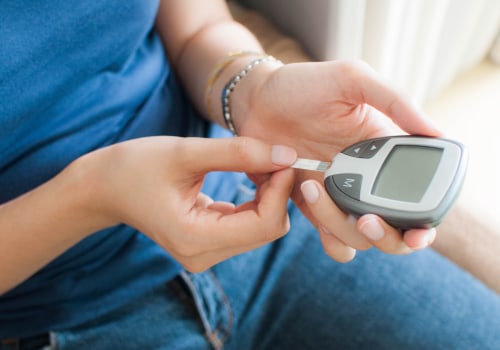
Keeping blood sugar levels within the target range is essential for preventing complications, including those affecting the eyes.Regularly monitoring your blood glucose can help you understand how different foods, activities, and medications affect your levels. Aim to check your blood sugar as recommended by your healthcare provider.
2.Healthy Eating Habits
A balanced diet plays a significant role in managing type 2 diabetes. Consider the following dietary recommendations:- Focus on Whole Foods: Incorporate plenty of fruits, vegetables, whole grains, and lean proteins into your meals.
- Limit Sugary Foods: Reduce intake of sugary snacks and beverages that can cause spikes in blood sugar levels.
- Control Portion Sizes: Be mindful of portion sizes to help manage calorie intake and maintain a healthy weight.
- Stay Hydrated: Drink plenty of water throughout the day to stay hydrated and support overall health.
3.Regular Physical Activity
Engaging in regular physical activity can improve insulin sensitivity and help control blood sugar levels. Aim for at least 150 minutes of moderate aerobic exercise each week, such as walking, swimming, or cycling.Additionally, incorporating strength training exercises at least twice a week can further enhance your metabolic health.
4.Routine Eye Examinations
Regular eye exams are vital for early detection of any potential issues related to diabetic eye disease. Schedule comprehensive eye exams at least once a year or as recommended by your eye care professional. Early intervention can prevent serious complications such as diabetic retinopathy.5.Medication Management
If prescribed, take medications as directed by your healthcare provider. This may include insulin or other medications that help control blood sugar levels.Discuss any concerns about your medications with your doctor to ensure optimal management of your condition.
6.Stress Management
Chronic stress can negatively impact blood sugar levels. Incorporate stress-reducing techniques into your daily routine, such as meditation, yoga, or deep-breathing exercises. Finding healthy outlets for stress can improve both mental and physical well-being. By implementing these strategies, individuals with type 2 diabetes can significantly reduce their risk of developing vision problems while enhancing their overall health. Remember that consistent management and regular check-ups are key components in maintaining eye health and preventing complications associated with diabetes.Treatment Options for Vision Problems in Diabetic Patients
For individuals with type 2 diabetes, managing vision problems is crucial to maintaining overall health and quality of life.Vision complications, particularly diabetic retinopathy, can significantly impact daily activities. Fortunately, there are several treatment options available to address these issues.
Understanding Diabetic Retinopathy
Diabetic retinopathy is a common eye condition that occurs when high blood sugar levels damage the blood vessels in the retina. This can lead to vision impairment and, in severe cases, blindness. Early detection and treatment are essential for preventing further damage.Treatment Options
-
Laser Treatment: One of the most effective treatments for diabetic retinopathy is laser therapy.
This procedure involves using a focused beam of light to target and seal leaking blood vessels or to create small burns in the retina to reduce swelling. There are two main types of laser treatments:
- Focal Laser Treatment: This targets specific areas of leakage.
- Panretinal Photocoagulation: This treats larger areas of the retina to prevent further vision loss.
- Injections: Anti-VEGF (vascular endothelial growth factor) injections are another option for treating diabetic retinopathy. These medications help reduce swelling and prevent the growth of abnormal blood vessels in the retina. Regular injections may be necessary to maintain vision quality.
-
Surgery: In advanced cases where bleeding occurs in the vitreous gel of the eye, a surgical procedure called vitrectomy may be required.
This involves removing the vitreous gel and any blood that has leaked into it, allowing for clearer vision.
Eye Care for Diabetics
In addition to specific treatments for diabetic retinopathy, regular eye care is vital for individuals with type 2 diabetes. Here are some essential practices:- Regular Eye Exams: Schedule comprehensive eye exams at least once a year. Early detection of any changes can lead to timely intervention.
- Blood Sugar Management: Keeping blood sugar levels within target ranges can help prevent or slow the progression of diabetic eye diseases.
- Healthy Lifestyle Choices: A balanced diet rich in fruits, vegetables, and whole grains, along with regular physical activity, can improve overall health and reduce diabetes-related complications.
Frequently Asked Questions about Type 2 Diabetes and Vision Health
Understanding the relationship between type 2 diabetes and vision health is crucial for those living with this condition. Here are some frequently asked questions that can help clarify common concerns:What are the common vision problems associated with type 2 diabetes?
Individuals with type 2 diabetes may experience several vision issues, including:- Diabetic Retinopathy: This condition occurs when high blood sugar levels damage the blood vessels in the retina, leading to vision impairment.
- Cataracts: People with diabetes are at a higher risk of developing cataracts, which cloud the lens of the eye and can lead to blurred vision.
- Glaucoma: This group of eye conditions can damage the optic nerve, often due to increased pressure in the eye, and is more prevalent in those with diabetes.
- Blurred Vision: Fluctuating blood sugar levels can cause temporary changes in vision, leading to blurriness.
How can I protect my eyes if I have type 2 diabetes?
To safeguard your vision while managing type 2 diabetes, consider the following tips:- Regular Eye Exams: Schedule comprehensive eye exams at least once a year to monitor your eye health.
- Control Blood Sugar Levels: Maintaining stable blood sugar levels through diet, exercise, and medication can significantly reduce the risk of eye complications.
- Healthy Lifestyle Choices: A balanced diet rich in fruits, vegetables, and whole grains, along with regular physical activity, can improve overall health and reduce diabetes-related risks.
What should I do if I notice changes in my vision?
If you experience any sudden changes in your vision, such as blurriness or dark spots, it is essential to consult your healthcare provider immediately.Early detection and treatment of diabetic eye diseases can prevent further complications and preserve your sight.
Can type 2 diabetes lead to permanent vision loss?
If left unmanaged, type 2 diabetes can indeed result in permanent vision loss due to complications like diabetic retinopathy. However, with proper management and regular check-ups, many individuals can maintain their vision and overall eye health. By addressing these common questions and concerns about type 2 diabetes and its impact on vision health, individuals can take proactive steps towards protecting their eyesight while managing their condition effectively.Conclusion: Key Takeaways on Type 2 Diabetes and Vision Health
Understanding type 2 diabetes is crucial not only for managing blood sugar levels but also for safeguarding overall health, particularly vision health. Throughout this article, we have explored the intricate relationship between type 2 diabetes and various vision problems that can arise as a result of this chronic condition. One of the most significant takeaways is that high blood sugar levels can lead to serious complications in the eyes. Conditions such as diabetic retinopathy, cataracts, and glaucoma are prevalent among individuals with type 2 diabetes.These issues stem from damage to the blood vessels in the retina and other parts of the eye, which can ultimately impair vision and lead to blindness if left untreated. Moreover, it is essential to recognize that early detection and intervention can make a substantial difference. Regular eye examinations are vital for individuals diagnosed with type 2 diabetes. These check-ups allow healthcare professionals to monitor any changes in vision and address potential problems before they escalate. In addition to routine eye care, managing type 2 diabetes through lifestyle changes plays a pivotal role in maintaining vision health. A balanced diet rich in nutrients, regular physical activity, and adherence to prescribed medication can help control blood sugar levels effectively.
This proactive approach not only mitigates the risk of vision complications but also enhances overall well-being. Finally, education about type 2 diabetes and its implications is vital for patients and their families. Understanding the risks associated with this condition empowers individuals to take charge of their health. By prioritizing both diabetes management and eye care, patients can significantly reduce their chances of experiencing debilitating vision problems. In conclusion, being informed about type 2 diabetes and its potential impact on vision is essential for anyone living with this condition. By taking preventive measures and seeking regular medical advice, individuals can protect their eyesight and improve their quality of life.