Guide
A Comprehensive Guide to Understanding the Development of Type 2 Diabetes
Explore the development, risk factors, and management strategies for type 2 diabetes to empower your health journey.

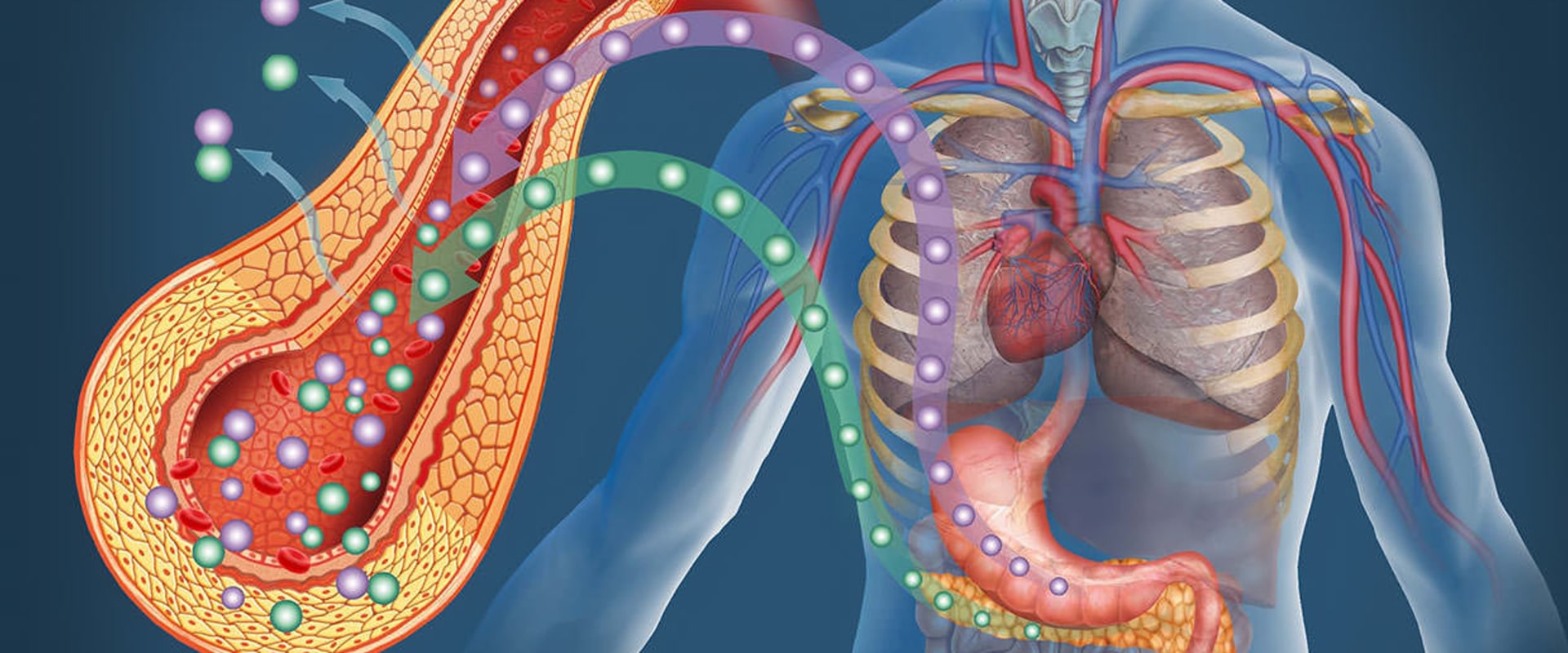
Type 2 diabetes is a complex and increasingly prevalent chronic condition that affects millions of individuals worldwide. It is characterized by the body's inability to effectively use insulin, a hormone crucial for regulating blood sugar levels. This dysfunction leads to elevated glucose levels in the bloodstream, which can result in a range of health complications if left unmanaged. Understanding type 2 diabetes is essential not only for those diagnosed with the condition but also for anyone looking to prevent its onset. The significance of type 2 diabetes extends beyond individual health; it poses a substantial burden on healthcare systems globally. Type 2 diabetes is a complex and increasingly prevalent chronic condition that affects millions of individuals worldwide. It is characterized by the body's inability to effectively use insulin, a hormone crucial for regulating blood sugar levels. This dysfunction leads to elevated glucose levels in the bloodstream, which can result in a range of health complications if left unmanaged. Understanding type 2 diabetes is essential not only for those diagnosed with the condition but also for anyone looking to prevent its onset. The significance of type 2 diabetes extends beyond individual health; it poses a substantial burden on healthcare systems globally.
According to the Centers for Disease Control and Prevention (CDC), over 34 million Americans are living with diabetes, with type 2 diabetes accounting for approximately 90-95% of all cases. This alarming statistic highlights the urgent need for awareness, education, and proactive measures to combat this growing epidemic. Moreover, the risk factors associated with type 2 diabetes are often intertwined with lifestyle choices, making it a largely preventable condition. Factors such as obesity, sedentary behavior, and poor dietary habits contribute significantly to its development. By fostering a deeper understanding of these elements, individuals can take actionable steps towards reducing their risk and improving their overall health. In this article, we will delve into the intricacies of type 2 diabetes, exploring its causes, symptoms, and management strategies.
By equipping ourselves with knowledge about this condition, we can empower ourselves and others to make informed decisions that promote better health outcomes.
The Mechanism of Type 2 Diabetes Development
Understanding the biological processes that lead to type 2 diabetes is essential for grasping how this condition develops and progresses. At the core of this disease is a phenomenon known as insulin resistance. Insulin is a hormone produced by the pancreas that plays a critical role in regulating blood sugar levels. When we consume food, particularly carbohydrates, our bodies break it down into glucose, which enters the bloodstream.In response, the pancreas releases insulin to help cells absorb glucose for energy or storage. In individuals with type 2 diabetes, the cells become less responsive to insulin, a condition referred to as insulin resistance. This means that even though insulin is present, it cannot effectively facilitate the uptake of glucose into the cells. As a result, glucose accumulates in the bloodstream, leading to elevated blood sugar levels. Over time, this persistent high blood sugar can cause various health complications. Several factors contribute to the development of insulin resistance:
- Obesity: Excess fat, particularly around the abdomen, can interfere with insulin's action and promote inflammation.
- Physical Inactivity: A sedentary lifestyle can lead to weight gain and decreased insulin sensitivity.
- Poor Diet: Diets high in refined carbohydrates and sugars can spike blood sugar levels and contribute to insulin resistance.
- Genetics: Family history plays a significant role; certain genetic factors can predispose individuals to develop insulin resistance.
Initially, the pancreas compensates for insulin resistance by producing more insulin. However, over time, this increased demand can exhaust pancreatic function, leading to insufficient insulin production. When this occurs, blood sugar levels rise significantly, resulting in a diagnosis of type 2 diabetes. Moreover, chronic high blood sugar levels can lead to further complications such as damage to blood vessels and nerves, which can result in cardiovascular disease, kidney failure, and neuropathy. Understanding these mechanisms highlights the importance of early intervention and lifestyle modifications in managing or even preventing type 2 diabetes. In summary, the development of type 2 diabetes is a complex interplay of biological processes primarily driven by insulin resistance.
By recognizing these underlying mechanisms, individuals can take proactive steps towards maintaining healthy blood sugar levels and reducing their risk of developing this chronic condition.
Risk Factors for Type 2 Diabetes
Understanding the risk factors associated with type 2 diabetes is crucial for effective prevention and management. This condition does not develop overnight; rather, it is the result of a complex interplay of various factors that can increase an individual's susceptibility.Genetic Predisposition
One of the most significant risk factors for type 2 diabetes is genetics. If you have a family history of diabetes, your chances of developing the condition are markedly higher. Studies have shown that individuals with a parent or sibling diagnosed with type 2 diabetes are at a greater risk, indicating that hereditary factors play a vital role in the disease's onset.
Age
Age is another critical factor influencing the risk of developing type 2 diabetes.
As people age, particularly after the age of 45, their risk increases. This rise can be attributed to several factors, including decreased physical activity, changes in body composition, and the natural decline in insulin sensitivity that occurs with aging.
Obesity and Body Weight
Obesity is one of the most significant lifestyle-related risk factors for type 2 diabetes. Excess body fat, particularly around the abdomen, can lead to insulin resistance, where the body's cells do not respond effectively to insulin. A high body mass index (BMI) is often used as an indicator of obesity.
Individuals with a BMI of 30 or higher are classified as obese and face a substantially increased risk of developing this condition.
Lifestyle Choices
Your daily habits significantly impact your risk for type 2 diabetes. Factors such as:
- Poor Diet: A diet high in processed foods, sugars, and unhealthy fats can contribute to weight gain and insulin resistance.
- Lack of Physical Activity: Sedentary lifestyles are linked to higher rates of obesity and lower insulin sensitivity.
- Tobacco Use: Smoking has been associated with an increased risk of type 2 diabetes, as it can lead to inflammation and insulin resistance.
- Excessive Alcohol Consumption: Heavy drinking can lead to weight gain and increase blood pressure, both of which are risk factors for diabetes.
Other Health Conditions
Certain health conditions can also elevate your risk for type 2 diabetes. For instance, individuals with hypertension or abnormal cholesterol levels are more likely to develop this condition. Additionally, having prediabetes—a state where blood sugar levels are elevated but not yet high enough for a diagnosis—significantly increases the likelihood of progressing to full-blown diabetes. By recognizing these risk factors, individuals can take proactive steps towards prevention.
Engaging in regular physical activity, maintaining a balanced diet, and monitoring health metrics can significantly reduce the likelihood of developing type 2 diabetes.
The Role of Prediabetes in Type 2 Diabetes Development
Prediabetes is a critical health condition that serves as a warning sign for the potential development of type 2 diabetes. It is characterized by elevated blood sugar levels that are higher than normal but not yet high enough to be classified as diabetes. Understanding prediabetes is essential, as it provides an opportunity for early intervention and lifestyle changes that can significantly reduce the risk of progressing to type 2 diabetes. According to the Centers for Disease Control and Prevention (CDC), approximately 88 million adults in the United States have prediabetes, which translates to about one in three adults. This alarming statistic highlights the importance of recognizing and addressing this condition before it escalates into a more serious health issue.How Prediabetes Leads to Type 2 Diabetes
The transition from prediabetes to type 2 diabetes occurs when the body becomes increasingly resistant to insulin, a hormone that regulates blood sugar levels.
In prediabetes, the pancreas compensates by producing more insulin; however, over time, it may not be able to keep up with the body's demands. As a result, blood sugar levels continue to rise, leading to a diagnosis of type 2 diabetes. Several factors contribute to this progression:
- Insulin Resistance: Cells in the body become less responsive to insulin, making it difficult for glucose to enter the cells and resulting in higher blood sugar levels.
- Obesity: Excess body fat, particularly around the abdomen, is linked to increased insulin resistance.
- Lack of Physical Activity: A sedentary lifestyle can exacerbate insulin resistance and contribute to weight gain.
- Genetic Factors: Family history plays a significant role in an individual's risk of developing both prediabetes and type 2 diabetes.
Managing Prediabetes
Fortunately, prediabetes is reversible. Early intervention through lifestyle modifications can help prevent or delay the onset of type 2 diabetes. Here are some effective strategies for managing prediabetes:
- Weight Loss: Losing even a small percentage of body weight (5-7%) can significantly improve insulin sensitivity and lower blood sugar levels.
- Regular Physical Activity: Engaging in at least 150 minutes of moderate-intensity exercise per week can enhance insulin sensitivity and aid in weight management.
- Healthy Eating: Adopting a balanced diet rich in whole grains, fruits, vegetables, lean proteins, and healthy fats can help regulate blood sugar levels.
- Monitoring Blood Sugar Levels: Regular check-ups with healthcare providers can help track progress and make necessary adjustments to management plans.
By recognizing the signs and taking proactive steps towards lifestyle changes, individuals can significantly reduce their risk and improve their overall health.
Symptoms and Diagnosis of Type 2 Diabetes
Recognizing the symptoms of type 2 diabetes is crucial for early diagnosis and effective management. Many individuals may not experience noticeable symptoms in the early stages, which can lead to delayed treatment and increased risk of complications. However, there are several common signs that may indicate the presence of this condition.- Increased Thirst: One of the hallmark symptoms is excessive thirst, known as polydipsia. This occurs as the body attempts to dilute high blood sugar levels by drawing water from tissues.
-
Frequent Urination: As a result of increased thirst, individuals may find themselves urinating more often, a condition referred to as polyuria.
This happens because the kidneys are working overtime to filter excess glucose from the blood.
- Increased Hunger: Despite eating, people with type 2 diabetes may feel persistently hungry (polyphagia) due to the body’s inability to utilize glucose effectively for energy.
- Fatigue: Chronic fatigue is another common symptom. When cells cannot access glucose for energy, individuals may feel tired and lethargic.
- Blurred Vision: High blood sugar levels can lead to fluid being pulled from the lenses of the eyes, affecting the ability to focus and resulting in blurred vision.
- Slow Healing of Wounds: Cuts and bruises may take longer to heal due to poor circulation and nerve damage associated with diabetes.
- Dark Patches on Skin: A condition known as acanthosis nigricans can occur, characterized by dark, velvety patches in body folds and creases, often indicating insulin resistance.
-
Fasting Blood Glucose Test: This test measures blood sugar levels after an overnight fast.
A reading of 126 mg/dL or higher indicates diabetes.
- Oral Glucose Tolerance Test (OGTT): After fasting, a person drinks a sugary solution, and blood sugar levels are tested at intervals. A reading of 200 mg/dL or higher two hours after drinking indicates diabetes.
- A1C Test: This test provides an average blood sugar level over the past two to three months. An A1C level of 6.5% or higher suggests diabetes.
Lifestyle Changes to Prevent Type 2 Diabetes
Preventing type 2 diabetes is a proactive approach that can significantly enhance your overall health and well-being.By making informed lifestyle changes, you can lower your risk of developing this chronic condition. Here are some actionable strategies to consider:
1.Embrace a Balanced Diet
Your diet plays a crucial role in preventing type 2 diabetes. Focus on incorporating a variety of nutrient-dense foods into your meals:- Fruits and Vegetables: Aim for at least five servings of fruits and vegetables each day. These foods are rich in vitamins, minerals, and fiber, which can help regulate blood sugar levels.
-
Whole Grains: Choose whole grains over refined grains.
Foods like brown rice, quinoa, and whole wheat bread have a lower glycemic index and provide sustained energy.
- Lean Proteins: Incorporate sources of lean protein such as chicken, fish, beans, and legumes. These foods can help you feel full longer and maintain muscle mass.
- Healthy Fats: Opt for healthy fats found in avocados, nuts, seeds, and olive oil. These fats can improve heart health and support weight management.
2.Maintain a Healthy Weight
Excess weight is one of the primary risk factors for developing type 2 diabetes. Even a modest weight loss of 5-10% of your body weight can significantly reduce your risk.Here are some tips for effective weight management:
- Portion Control: Be mindful of portion sizes to avoid overeating. Using smaller plates can help you manage portions more effectively.
- Regular Meals: Skipping meals can lead to overeating later in the day. Aim for regular meal times to keep your metabolism steady.
- Mindful Eating: Pay attention to what you eat and savor each bite. This practice can help you recognize hunger cues and prevent emotional eating.
3.Increase Physical Activity
Regular physical activity is essential for preventing type 2 diabetes.Aim for at least 150 minutes of moderate-intensity aerobic exercise each week. Here are some effective ways to incorporate exercise into your routine:
- Aerobic Exercises: Activities like walking, cycling, swimming, or dancing can improve cardiovascular health and aid in weight management.
- Strength Training: Include strength training exercises at least twice a week. Building muscle mass can enhance insulin sensitivity.
- Stay Active Throughout the Day: Look for opportunities to move more during the day—take the stairs instead of the elevator or go for short walks during breaks.
Medical Interventions for Managing Type 2 Diabetes
Managing type 2 diabetes effectively requires a comprehensive approach that often includes various medical interventions.These interventions can range from lifestyle modifications to advanced pharmacological treatments. Understanding the available options is crucial for individuals diagnosed with this condition.
Medications for Managing Type 2 Diabetes
There are several classes of medications specifically designed to help manage blood sugar levels in individuals with type 2 diabetes. These include:- Metformin: This is typically the first-line medication prescribed for type 2 diabetes. It works by decreasing glucose production in the liver and improving insulin sensitivity, which helps lower blood sugar levels.
-
Sulfonylureas: These medications stimulate the pancreas to produce more insulin.
Common examples include glipizide and glyburide.
- GLP-1 receptor agonists: These drugs mimic the incretin hormones that the body usually produces to stimulate insulin secretion in response to meals. They also slow gastric emptying, which helps control appetite and weight.
- SGLT2 inhibitors: This class of medications works by preventing the kidneys from reabsorbing glucose back into the bloodstream, allowing excess sugar to be excreted through urine.
- Insulin therapy: In some cases, individuals may require insulin therapy to manage their blood sugar levels effectively. Insulin can be administered through injections or an insulin pump, depending on individual needs.
Insulin Therapy in Type 2 Diabetes
While many people with type 2 diabetes can manage their condition with oral medications, some may eventually need insulin therapy. This is particularly true if their blood sugar levels remain uncontrolled despite other treatments.Insulin therapy can be tailored to meet individual needs and may involve:
- Basal insulin: This long-acting insulin helps maintain stable blood sugar levels throughout the day and night.
- Bolus insulin: This rapid-acting insulin is taken before meals to manage spikes in blood sugar that occur after eating.
Ongoing Monitoring Strategies
In addition to medications and insulin therapy, ongoing monitoring of blood glucose levels is essential for effective management of type 2 diabetes. Regular monitoring helps individuals understand how their body responds to different foods, activities, and medications. Healthcare providers often recommend:- Self-monitoring of blood glucose (SMBG): Using a glucometer allows individuals to check their blood sugar levels at home and make informed decisions about their diet and medication.
- A1C testing: This test measures average blood sugar levels over the past two to three months and is typically performed during routine medical visits.
Long-term Complications of Type 2 Diabetes
Type 2 diabetes, if left unmanaged, can lead to a range of serious long-term complications that significantly impact an individual's quality of life. Understanding these potential complications is crucial for anyone diagnosed with the condition, as it emphasizes the importance of effective management and regular monitoring. One of the most concerning long-term effects of untreated diabetes is cardiovascular disease.Individuals with type 2 diabetes are at a higher risk for heart attacks, strokes, and other cardiovascular issues due to the damaging effects of high blood sugar on blood vessels and nerves. This risk is compounded by other factors often associated with diabetes, such as high blood pressure and elevated cholesterol levels.
Another significant complication is neuropathy , or nerve damage. High blood sugar levels can harm nerves throughout the body, leading to symptoms such as pain, tingling, or numbness, particularly in the feet and hands. This condition can also affect digestion and sexual function, further complicating the lives of those with diabetes.
Kidney damage
, or diabetic nephropathy, is another serious concern.
The kidneys play a vital role in filtering waste from the blood, and prolonged high blood sugar can impair their function. This may eventually lead to kidney failure, necessitating dialysis or a kidney transplant.
Eye complications
are also prevalent among individuals with poorly managed type 2 diabetes. Diabetic retinopathy can cause vision problems and even blindness due to damage to the blood vessels in the retina. Regular eye examinations are essential for early detection and treatment of these issues.
Additionally, individuals with type 2 diabetes may experience poor wound healing.
High blood sugar levels can impair circulation and reduce the body's ability to heal wounds effectively. This can lead to infections and, in severe cases, may necessitate amputations. To manage these complications effectively, it is vital for individuals with type 2 diabetes to maintain regular check-ups with healthcare providers. Monitoring blood sugar levels, adhering to prescribed medications, and making lifestyle changes such as adopting a balanced diet and engaging in regular physical activity are essential steps in preventing these long-term effects. In conclusion, understanding the potential long-term complications associated with type 2 diabetes underscores the importance of proactive management. By taking steps to control blood sugar levels and addressing risk factors early on, individuals can significantly reduce their risk of developing these serious health issues.
Support Systems and Resources for Individuals with Type 2 Diabetes
Living with type 2 diabetes can be challenging, but numerous support systems and resources are available to help individuals manage their condition effectively.These resources not only provide practical assistance but also foster a sense of community among those affected by diabetes.
Community Resources
- Local Diabetes Support Groups: Many communities offer support groups where individuals with type 2 diabetes can share experiences, challenges, and successes. These groups often meet regularly and provide a safe space for open discussions.
- Health Clinics and Hospitals: Local health facilities frequently host educational workshops and seminars focused on diabetes management. These programs can cover topics such as nutrition, exercise, and medication management.
- Nonprofit Organizations: Organizations like the American Diabetes Association (ADA) provide valuable resources, including educational materials, advocacy efforts, and local events aimed at raising awareness about diabetes.
Educational Programs
- Diabetes Self-Management Education (DSME): This program is designed to help individuals understand their condition better and develop skills for managing it. DSME often includes personalized education on blood sugar monitoring, meal planning, and physical activity.
-
Nutrition Workshops: Many community centers offer workshops that focus on healthy eating habits tailored for those with type 2 diabetes.
These sessions often include cooking demonstrations and meal planning tips.
- Exercise Programs: Physical activity is crucial for managing type 2 diabetes. Local gyms or community centers may offer exercise classes specifically designed for individuals with diabetes, focusing on safe and effective workouts.
Online Support Groups
- Social Media Communities: Platforms like Facebook have numerous groups dedicated to individuals living with type 2 diabetes. These online communities allow members to connect, share advice, and provide emotional support.
- Diabetes Forums: Websites such as Diabetes Daily or TuDiabetes offer forums where users can ask questions, share experiences, and find encouragement from others facing similar challenges.
- Telehealth Services: Many healthcare providers now offer telehealth options that allow patients to consult with diabetes educators or dietitians from the comfort of their homes. This can be especially beneficial for those who may have difficulty accessing in-person resources.
Engaging with community resources, educational programs, and online support networks can empower individuals to take control of their health and improve their quality of life.
Conclusion: Key Takeaways on Type 2 Diabetes Development and Management
In summary, understanding the development of type 2 diabetes is crucial for both prevention and effective management of this chronic condition. Throughout this article, we have explored various aspects that contribute to the onset of type 2 diabetes, including genetic predispositions, lifestyle factors, and the physiological changes that occur within the body. One of the most significant takeaways is the role of lifestyle choices. Factors such as poor diet, lack of physical activity, and obesity are not just risk factors; they are modifiable elements that individuals can change to lower their risk. Engaging in regular exercise and adopting a balanced diet rich in whole foods can significantly impact blood sugar levels and overall health. Moreover, recognizing the signs of prediabetes is essential.Individuals with elevated blood sugar levels but not yet diagnosed with type 2 diabetes have a critical window of opportunity to implement lifestyle changes that can reverse their condition. Programs like the CDC-led National Diabetes Prevention Program provide valuable resources and support for those looking to make these changes. For those already diagnosed with type 2 diabetes, managing the condition effectively involves a comprehensive approach. This includes: Individuals with elevated blood sugar levels but not yet diagnosed with type 2 diabetes have a critical window of opportunity to implement lifestyle changes that can reverse their condition. Programs like the CDC-led National Diabetes Prevention Program provide valuable resources and support for those looking to make these changes. For those already diagnosed with type 2 diabetes, managing the condition effectively involves a comprehensive approach. This includes:
- Regular monitoring of blood glucose levels to understand how food, activity, and medication affect them.
- Medication adherence , if prescribed, to help control blood sugar levels.
- Routine check-ups with healthcare providers to monitor for complications and adjust treatment plans as necessary.
- Education about the disease to empower individuals in making informed decisions regarding their health.
The journey towards better health is ongoing, but with commitment and support, it is entirely achievable.